Welcome to the 27th edition of “Source of Styles” where this month we’re looking at dunkel style beers.The word dunkel literally means “dark” in German, and this style has been brewed for centuries, long before pale lagers came to dominate the beer world. While Dunkel might seem overshadowed by its paler cousin, the Helles, or the more assertive Bock, this style remains a cornerstone of Bavarian brewing tradition.
Table of Contents
Dunkel : A Brief History
The roots of the style stretch deep into the history of German brewing, particularly in Bavaria. In the Middle Ages, most beer in Europe was dark by necessity. Malting techniques were primitive : grains were dried over open flames or in kilns that lacked precise temperature control. This resulted in darker malts, often with smoky or roasted characteristics. As brewing evolved, these darker beers became the norm in southern Germany, where barley grew well and lagering caves in the foothills of the Alps provided natural cold storage.
By the 16th century, the dark, malty Munich-style lagers were well established. These beers would eventually be known simply as “Dunkel.” The 1516 Reinheitsgebot, the famous German Beer Purity Law, further codified brewing practices, ensuring that these beers were made from just malt, hops, water, and yeast. At this time, nearly all Bavarian beers were dark, as pale malt production would not become common until the 19th century.
The 19th century brought dramatic changes. Advances in malting technology, especially the invention of the indirect-fired drum kiln by Daniel Wheeler in England (used for making pale malt), allowed brewers to create lighter-coloured beers. When Gabriel Sedlmayr II of the Spaten Brewery in Munich adopted these techniques in the 1830s, he helped pioneer the Märzen and later the Helles, ushering in the age of pale lagers.
But even as lighter beers gained popularity, the style retained a loyal following. For many Bavarians, it remained the beer of home : a comforting, familiar brew best enjoyed in a stein beneath the chestnut trees of a beer garden.
In the 20th century, the style though faced a steep decline. Pale lagers such as Helles and Pilsner became the dominant styles, both in Germany and globally. These lighter beers were seen as more modern and more marketable, particularly as refrigeration and filtration made pale beer easier to produce and store.
By the 1970s, the style had become something of a regional curiosity as it was still brewed in Bavaria, but rarely exported or celebrated abroad. Only a handful of Munich breweries, such as Ayinger, Hacker-Pschorr, and Augustiner, continued to champion the style.
However, the craft beer renaissance of the late 20th and early 21st centuries sparked renewed interest in traditional lagers. Brewers and drinkers began to rediscover the beauty of malt-forward, balanced beers that emphasize craftsmanship over extremity. Today, the style enjoys a quiet but growing appreciation among beer enthusiasts who value authenticity and subtlety.
While Munich Dunkel is the most famous representative, other regions have their own dark lagers that share DNA with the style.
- Franconian Dunkel: In northern Bavaria, particularly around Bamberg, the beer can have a more rustic edge. Some use a touch of smoked malt, a reflection of the area’s unique malting traditions. These beers may be slightly drier or more robust, bridging the gap between Munich Dunkel and Schwarzbier.
- Export Dunkel: Brewed for broader distribution, this version can be slightly stronger and more polished, sometimes overlapping with Dunkles Bock or Doppelbock in strength.
- Dunkel Weizen: Although technically a wheat beer rather than a lager, the Dunkel Weizen (dark wheat beer) shares some sensory similarities, such as a dark colour and rich maltiness but adds the distinctive banana-and-clove yeast character of Weissbier.
Beyond Germany, the style has inspired dark lagers worldwide. Czech brewers produce Tmavé Pivo, a cousin with a touch more roast and bitterness, while American craft brewers often brew Dunkel-style lagers using local ingredients. Some even reinterpret the style with creative twists, such as adding smoked malts, barrel-aging, or hybrid yeast strains, while still honoring the style’s mellow malt core.
Dunkel : How They Are Made
The foundation of a great beer lies in its malt bill. The majority of the grist, often 70–90%, consists of Munich malt, which gives the beer its characteristic rich, bready sweetness. Smaller amounts of Pilsner malt may be added to lighten the body, while Caramunich, Melanoidin, or Chocolate malt can deepen colour and enhance complexity.
Brewing this beer traditionally involves decoction mashing, a labour-intensive process that was once standard in Bavarian breweries. Decoction involves removing a portion of the mash, boiling it, and then returning it to the main mash to raise the overall temperature in stages. This method intensifies malt flavors through the Maillard reaction, producing the signature bread-crust and toffee-like notes of the style.
After lautering, the wort is boiled and hopped lightly, typically only enough to balance the malt sweetness. The cooled wort is then fermented with a bottom-fermenting lager yeast at cool temperatures (8–12°C). Following primary fermentation, the beer is lagered, which means they are stored cold, for several weeks or even months to mature and clarify.
Dunkel : Appearance, Aroma, and Flavour
Here’s the guidelines from the BJCP for what makes dunkels beers worth hunting down and trying:
Appearance: Deep copper to dark brown, often with a red or garnet tint. Creamy, light to medium tan head. Usually clear, although murky unfiltered versions exist.
Aroma: Rich, elegant, deep malt sweetness, typically like bread crusts (often toasted bread crusts). Hints of chocolate, nuts, caramel, and/or toffee are also acceptable, with fresh traditional versions often showing higher levels of chocolate. Clean fermentation profile. A slight spicy, floral, or herbal hop aroma is acceptable.
Flavour: Dominated by the soft, rich, and complex flavour of darker Munich malts, usually with overtones reminiscent of toasted bread crusts, but without a burnt-harsh-grainy toastiness. The palate can be moderately malty, although it should not be overwhelming or cloyingly sweet. Mild caramel, toast or nuttiness may be present. Very fresh examples often have a pleasant malty-chocolate character that isn’t roasty or sweet. Hop flavour is low to none; if noted, should reflect floral, spicy, or herbal German-type varieties. Aftertaste remains malty, although the hop bitterness may become more apparent in the medium-dry finish. Clean fermentation profile and lager character.
Japanese Dunkels We Recommend
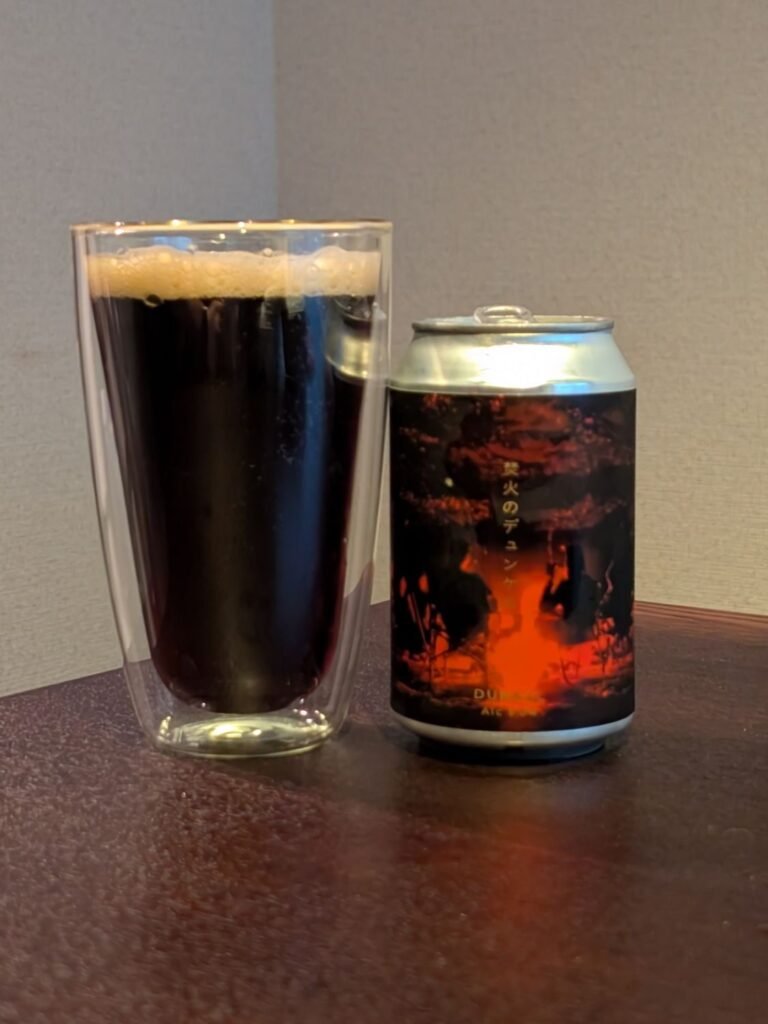
Forest Brewing Bonfire Dunkel
The Bottom Line : Forest Brewing Bonfire Dunkel poured out a dark brown, almost black, colour with a thin layer of off-white bubbles on top that popped away to leave a thin layer on top.
The beer had a medium body to it, with a sticky caramel and light chocolate taste throughout drinking, with a toasted flavour underneath it all. The hops, while not pronounced, did bring a light earthiness during drinking, but they never really threatened to do much more.
Review : Forest Brewing Bonfire Dunkel
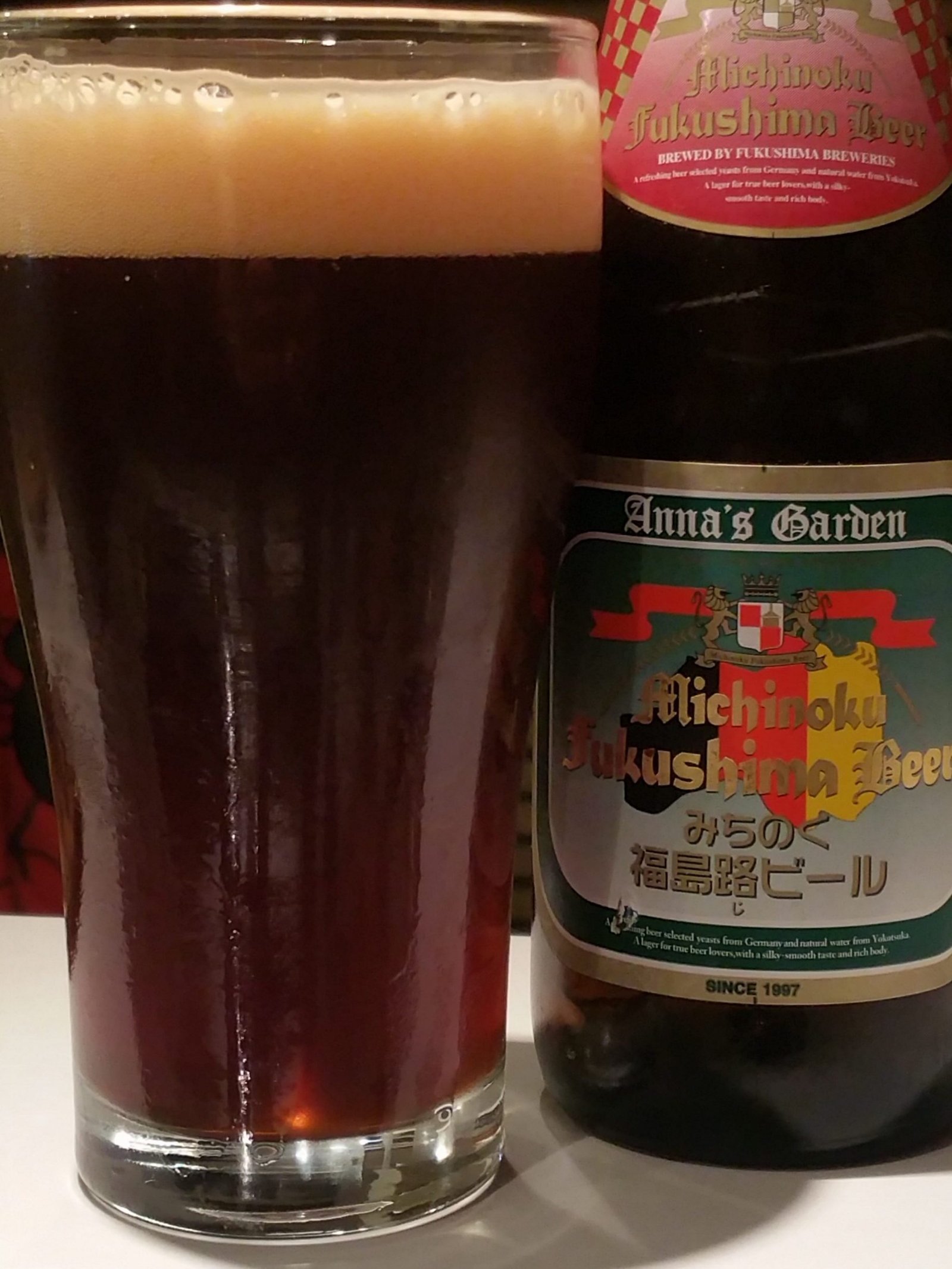
Fukushima Michinoku Dunkel
The Bottom Line : Fukushima Michinoku Dunkel poured out a layered colour of light reddish-brown at the bottom of the glass, much lighter than expected while remaining a deep brown at the top. The head had a heavily brown-tinged appearance that lingered throughout drinking.
Fukushima Michinoku Dunkel is quite sweet for a dunkel that could do with it toning down.
Review : Fukushima Michinoku Dunkel
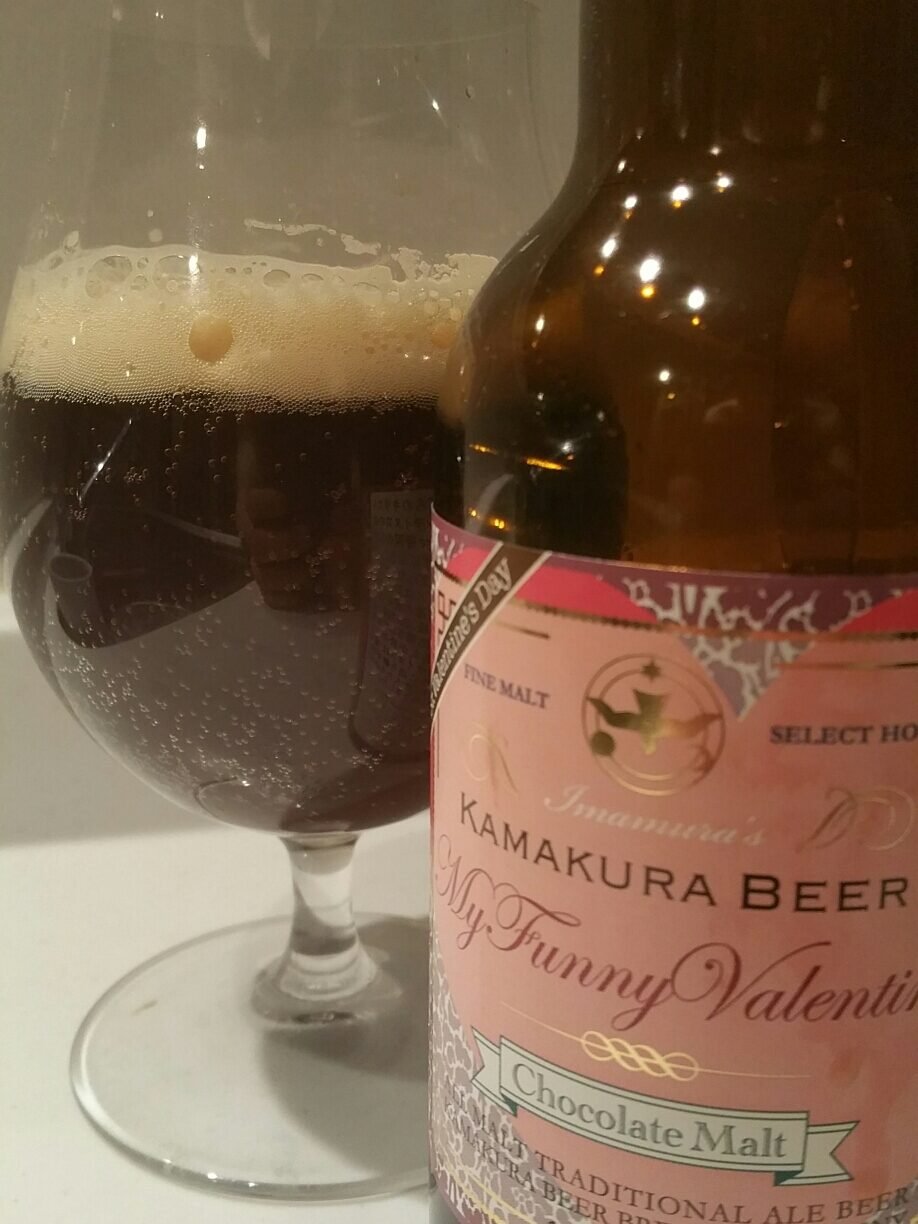
Kamakura Beer My Funny Valentine
The Bottom Line : Kamakura Beer My Funny Valentine poured out a hazy, deep brown colour with an off-white brownish fluffy head.
Kamakura Beer My Funny Valentine is not a hoppy beer by any means, rather it relied on the malts to produce the rich deep flavours of caramel and some plum edge to it.
Review : Kamakura Beer My Funny Valentine
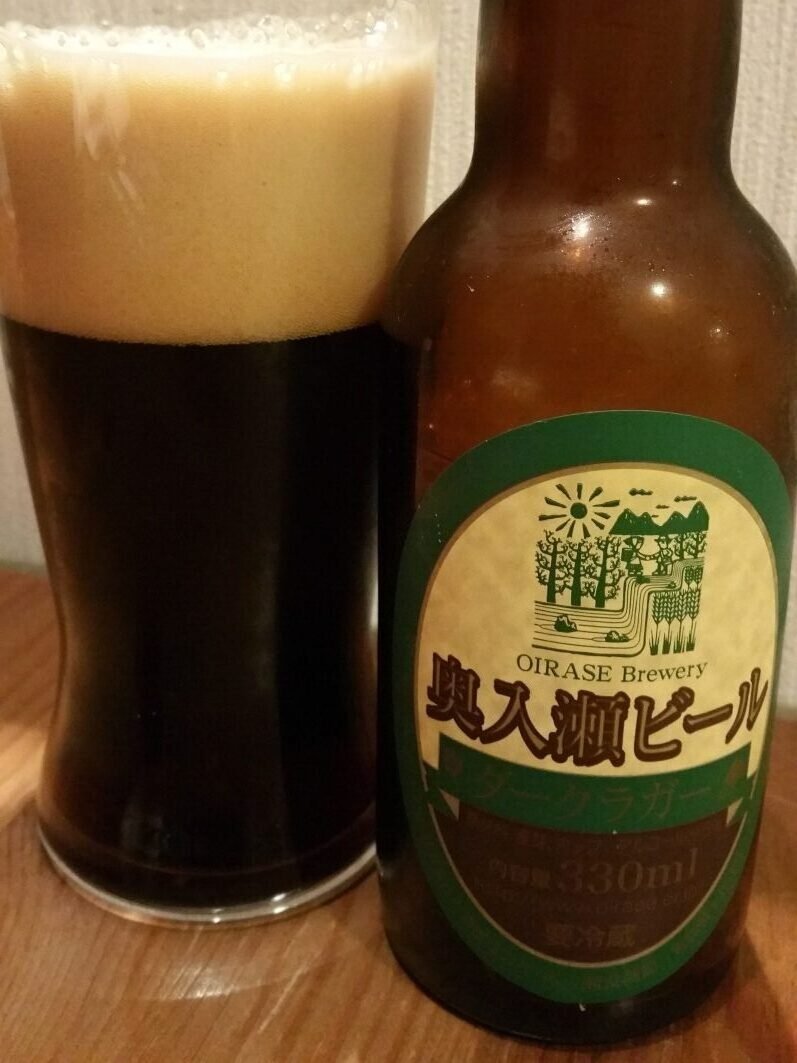
Oirase Dark Lager
The Bottom Line : The large, frothy head lingered for a while before grasping to the edges of the glass in the vain hope until the creaminess came through as well. Lots of other notes came through, such as chocolate and vanilla but nowhere near as strong as the others.
Oirase Dark Lager is perplexing, confusing, mysterious and yet seems to work somehow.
Review : Oirase Dark Lager
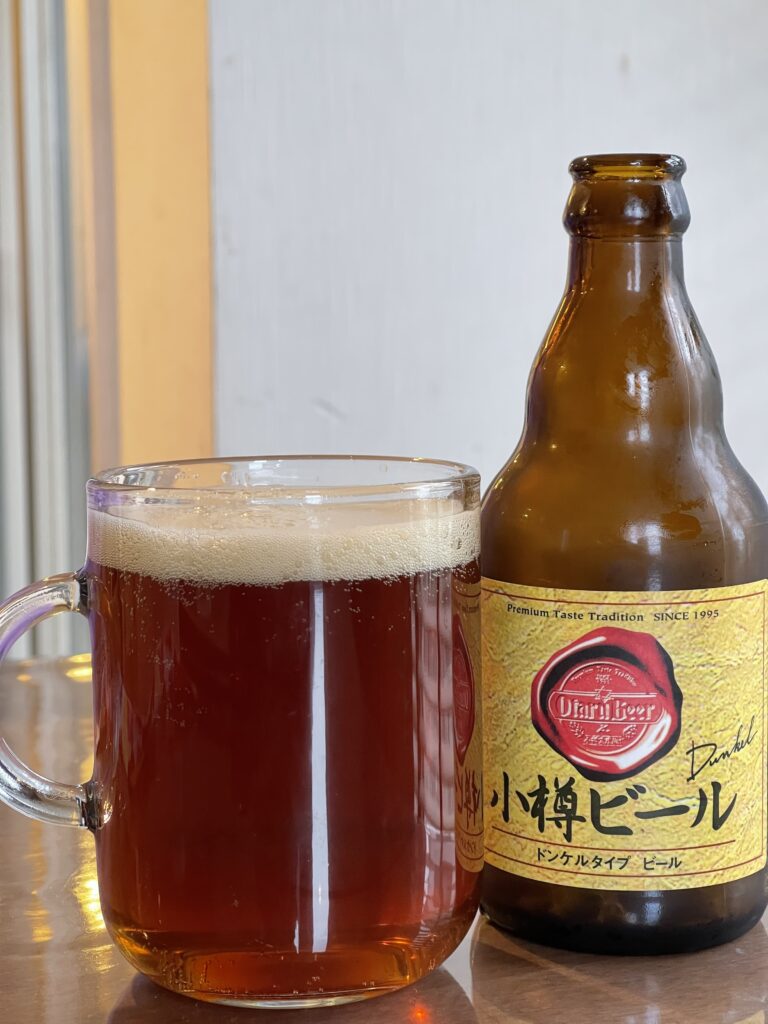
Otaru Dunkel
The Bottom Line : Otaru Dunkel is brewed using a double decoction method and is aged for 4 weeks before being bottled.
It all started off with a dry, yet fruity caramel body, which was mild and soft. The bready caramel flavour was the most noticeable flavours from the malts, and continued to linger throughout drinking, but was not overpowering or cloying.
This beer is your prototypical dunkel and a great example of one in Japan.
Review : Otaru Dunkel
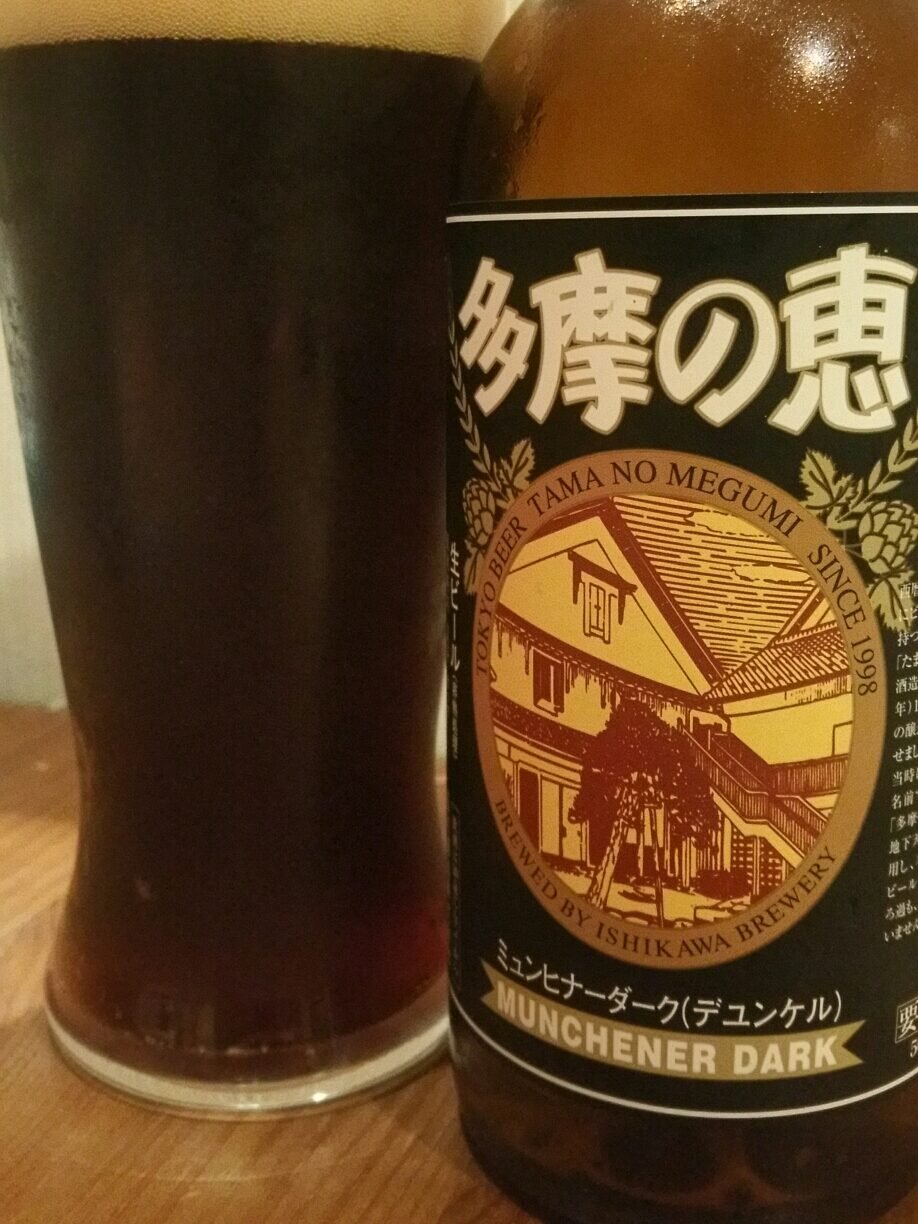
Tama no Megumi Munchener Dark
The Bottom Line : Tama no Megumi Munchener Dark had a sweetness to it that reminded me of caramel and some dark malts that remained in the nostrils long after the smelling had stopped.
Tama no Megumi Munchener Dark had an initial strong bite to it, not so much crispness but more of a dry snap that segued into a muddling of caramel and roasted coffee beans.
Review : Tama no Megumi Munchener Dark
Imported Dunkels We Recommend
Let’s be honest – if you’re going to try a style of beer, then it’s also worth trying out some of the overseas beers. Check out the label on the bottle to see when the beer was bottled, and also ask how the beer was imported. Was it in a cold chain from start to finish? Was the beer stored in a chilled environment in store? If the shop assistant can’t, or doesn’t know the answer, then give it a miss.
- Ayinger Altbairisch Dunkel (Germany)
- Erdinger Dunkel
- Flensburger Dunkel
- Spaten Dunkel
- Tucher Dunkel
- Weltenburger Kloster Barock Dunkel
Sources Used
- The Oxford Companion to Beer – Edited by Garrett Oliver (Oxford University Press, 2011)
- Horst Dornbusch – “Prost! The Story of German Beer” (1997, Brewers Publications)
- Ray Daniels – “Designing Great Beers” (Brewers Publications, 1998)
- Michael Jackson – “The World Guide to Beer”
- German Beer Institute – Style Overview: Munich Dunkel
