Welcome to the 25th edition of “Source of Styles” – the English IPA. Few beer styles are as storied, debated, and mythologised as the English India Pale Ale, or IPA. Today, IPA has become synonymous with bold flavours and creativity in craft brewing, but its origins lie in the colonial expansion of Britain in the 18th and 19th centuries. The English IPA was not born as a marketing gimmick or as a brewer’s experiment with hops.
Table of Contents
English IPA : A Brief History
To understand the English IPA, it’s important to first step back to the early development of pale ales themselves. Before the 1700s, most English beers were dark and smoky, brewed with malt dried over wood fires. This gave the beer a distinct roasted, sometimes harsh quality. But the rise of coke-fired malting in the early 18th century allowed maltsters to create paler, cleaner-tasting malt. This innovation birthed the pale ale—lighter in colour, brighter in flavour, and a clear departure from the heavier porters and stouts that dominated English drinking culture.
By the mid-1700s, pale ale had become popular with wealthier drinkers and began to carve out its own space in the market. Pale ales were more expensive to produce than porter, but they were prized for their freshness, clarity, and balance of malt and hops. Breweries in Burton upon Trent, famous for their mineral-rich water, became especially associated with producing high-quality pale ales that were exported across Britain and beyond.
The rise of the British Empire created a new challenge for brewers: how to supply beer to faraway colonies. British settlers, soldiers, and officials in India wanted beer from home, but transporting it across the oceans was no easy feat. Beer spoiled quickly on long voyages, particularly in hot climates. Traditional porters and mild ales often arrived stale, sour, or undrinkable.
The solution lay in two things: strength and hops. Alcohol and hops both act as natural preservatives. Beers brewed stronger than usual, with an ample dose of hops, were more resistant to microbial spoilage and could better endure the long trip around the Cape of Good Hope. Brewers began developing pale ales that were hoppier, drier, and more robust than the versions consumed domestically. These beers were specifically designed for export to India.
The name most famously tied to the early English IPA is George Hodgson of Bow Brewery in East London. In the late 1700s, Hodgson struck deals with the East India Company to supply beer for its ships. He offered generous credit terms to captains, allowing them to carry beer to India and sell it upon arrival. While Hodgson did not invent the idea of brewing heavily hopped beer for export, he capitalized on the demand and became synonymous with the style. His pale ales gained a reputation among British expatriates in India for their freshness, bitterness, and suitability to the tropical climate.
Hodgson’s dominance was not to last, however. By the early 19th century, his aggressive business practices soured his relationships with shippers. Breweries in Burton upon Trent, which had superior water for pale ale brewing, eventually eclipsed him in supplying India. But Hodgson’s name remained firmly attached to the mythology of IPA as the quintessential “beer of the Raj.”
The mid-1800s marked the true rise of the English IPA. Burton upon Trent became the epicenter of production, with breweries such as Bass, Allsopp, and Worthington leading the way. Burton’s water contained high levels of gypsum, a mineral that accentuated hop bitterness and gave pale ales a bright, crisp character. Brewers quickly realized this water profile was ideal for the hop-forward, export-strength pale ales heading to India.
Bass in particular emerged as a powerhouse. Its distinctive red triangle trademark, registered in 1876, was one of the first trademarks in British history and remains iconic. Bass and its contemporaries exported massive volumes of IPA, cementing it as the drink of choice for British officials, soldiers, and civilians across India. The beer also gained a following back home, as returning colonials and curious domestic drinkers sought out the style.
During this period, IPA was not the searingly bitter or extremely strong beer that some modern myths suggest. Most historical recipes put IPAs in the range of 6–7% alcohol by volume, with assertive but not overwhelming bitterness. The beers were pale, dry, and crisp, with a balance that made them refreshing in hot climates.
As the 19th century gave way to the 20th, the popularity of English IPA began to fade. Tastes shifted toward milder, less bitter beers. Porters and stouts had already ceded dominance to lighter milds and bitters, and IPA followed suit. Many breweries rebranded their traditional IPAs into ordinary bitters or pale ales, reducing their strength and bitterness to cater to changing preferences.
By the mid-20th century, the term “IPA” in Britain often referred to beers that bore little resemblance to their 19th-century predecessors. Some so-called IPAs were as low as 3.5% alcohol, with restrained hopping more akin to modern bitters. The true export-style IPA became rare, remembered more as a relic of imperial history than as a living beer tradition.
The story of IPA did not end in decline, however. The style was rediscovered and reinterpreted by brewers in the late 20th century, especially in the United States. American craft brewers embraced IPA as a canvas for bold hop flavours, experimenting with new varieties from the Pacific Northwest that offered citrus, pine, and tropical fruit notes. The American IPA exploded in popularity, eventually becoming the flagship style of the craft beer revolution.
This global revival reignited interest in the origins of IPA. British brewers such as Fuller’s, Marston’s, and smaller craft producers began brewing historical-style IPAs inspired by 19th-century recipes. Organizations like the Campaign for Real Ale (CAMRA) also promoted awareness of traditional IPA, helping drinkers reconnect with its heritage.
Today, English IPA holds a distinct place within the broader IPA family. Compared to its American cousins, it tends to be more balanced, with earthy, floral hop character from traditional English varieties like Fuggles and Goldings, and a maltier backbone. While it may not dominate tap lists in the same way as hazy or double IPAs, the English IPA remains a touchstone for brewing history and an enduring reminder of beer’s global journey.
English IPA : How They Are Made
The foundation of an English IPA is its malt bill. Traditionally, English IPAs use pale malt as the primary base, often derived from Maris Otter or other traditional English barley varieties. These malts provide a biscuity, toasty, slightly nutty backbone that distinguishes English IPAs from the cleaner, more neutral malt profiles found in American IPAs. The balance is crucial: the malt needs to support, not overwhelm, the hops. Compared to modern American IPAs, English IPAs tend to show a stronger malt presence.
The hops used are what give English IPAs their identity. Instead of the tropical or resinous punch of American varieties, English IPAs rely on traditional English hops, which contribute earthier, herbal, and floral qualities. Common varieties include: East Kent Goldings (EKG) – Spicy, floral, and slightly honeyed; Fuggles – Woody, earthy, with mild bitterness; Challenger – Balanced, with hedgerow fruit and herbal notes.
English IPAs typically use English ale yeast strains, which differ significantly from the clean, neutral American yeasts. These yeasts produce subtle esters, lending notes of stone fruit, apple, or pear. Some strains also leave a fuller body by attenuating less fully, which enhances the beer’s malt presence. Fermentation character is essential: English IPAs often display a slightly fruity yeast profile that integrates seamlessly with the malt and hops, adding complexity.
Water chemistry plays an outsized role in English IPA history. Burton upon Trent, the cradle of 19th-century IPA brewing, had water rich in calcium sulphate (gypsum). This “Burtonization” of water sharpened hop bitterness and gave beers a bright, dry finish. Modern brewers making English IPA often adjust their water profile to mimic Burton’s sulfate-heavy composition, accentuating bitterness while keeping the finish crisp.
English IPA : Appearance, Aroma, and Flavour
Here’s the guidelines from the BJCP for what makes golden ale, beers that are worth looking for.
Appearance : colour ranges from golden to deep amber, but most are fairly pale. Should be clear, although unfiltered dry-hopped versions may be a bit hazy. Moderate-sized, persistent head stand with off-white colour.
Aroma : A moderate to moderately-high hop aroma, typically floral, spicy-peppery, or citrus-orange in nature. A slight dry-hop aroma is acceptable, but not required. Medium-low to medium bready or biscuity malt, optionally with a moderately-low caramel-like or toasty malt presence. Low to moderate fruitiness is acceptable. Optional light sulfury note.
Flavour : Hop flavour is medium to high, with a moderate to assertive hop bitterness. The hop flavour should be similar to the aroma (floral, spicy-peppery, or citrus-orange). Malt flavour should be medium-low to medium, and be somewhat bready, optionally with light to medium-light biscuit, toast, toffee, or caramel aspects. Medium-low to medium fruitiness. Finish is medium-dry to very dry, and the bitterness may linger into the aftertaste but should not be harsh. The balance is toward the hops, but the malt should still be noticeable in support. If high sulfate water is used, a distinctively minerally, dry finish, some sulfur flavour, and a lingering bitterness are usually present. Some clean alcohol flavour can be noted in stronger versions.
Japanese English IPAs We Recommend
Today, most Japanese craft breweries that make an “IPA” lean toward American-style IPAs (citrusy, tropical, hazy), as these are more in vogue globally. However, English IPAs hold a niche role in the Japanese craft scene, often brewed as seasonal or speciality releases.
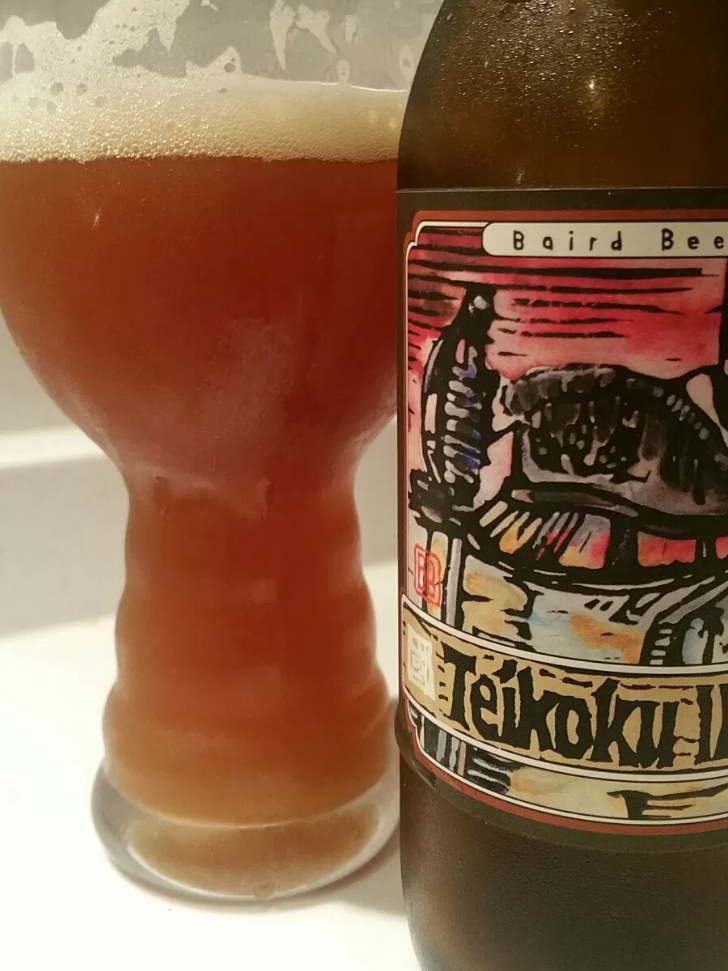
Baird Teikoku IPA
The Bottom Line : Brewed using Floor-malted Maris Otter, Amber, and Caramel malts though the hop list is unknown at the time of writing.
It’s in the drinking that it becomes apparent that Baird Teikoku IPA is more English IPA based as the malts produced a strong caramel flavour that is punctuated by some pine hop flavour. The hops do produce a medium amount of bitterness but nothing on the scale of the Baird Suruga Bay Imperial IPA so those new to IPAs would be welcome.
Review : Baird Teikoku IPA
Bighand Bros Anorthite
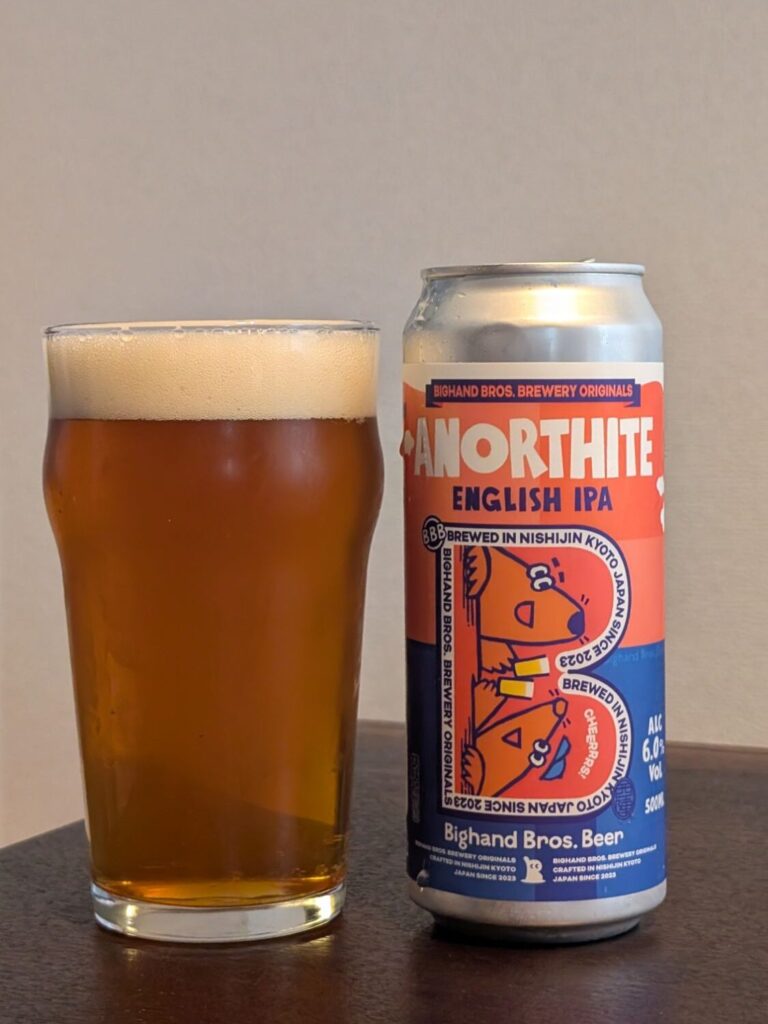
The Bottom Line : This beer was created with the aim of creating a traditional British IPA. It had a classic English IPA aroma, with some floral notes from the hops, with a slight American twist of some citrus grapefruit and lemon notes also being present.
A solid English IPA and while it won’t blow your socks off with hoppiness, it’s still worthy of your time.
Review : Bighand Bros Anorthite
Nagisa India Pale Ale
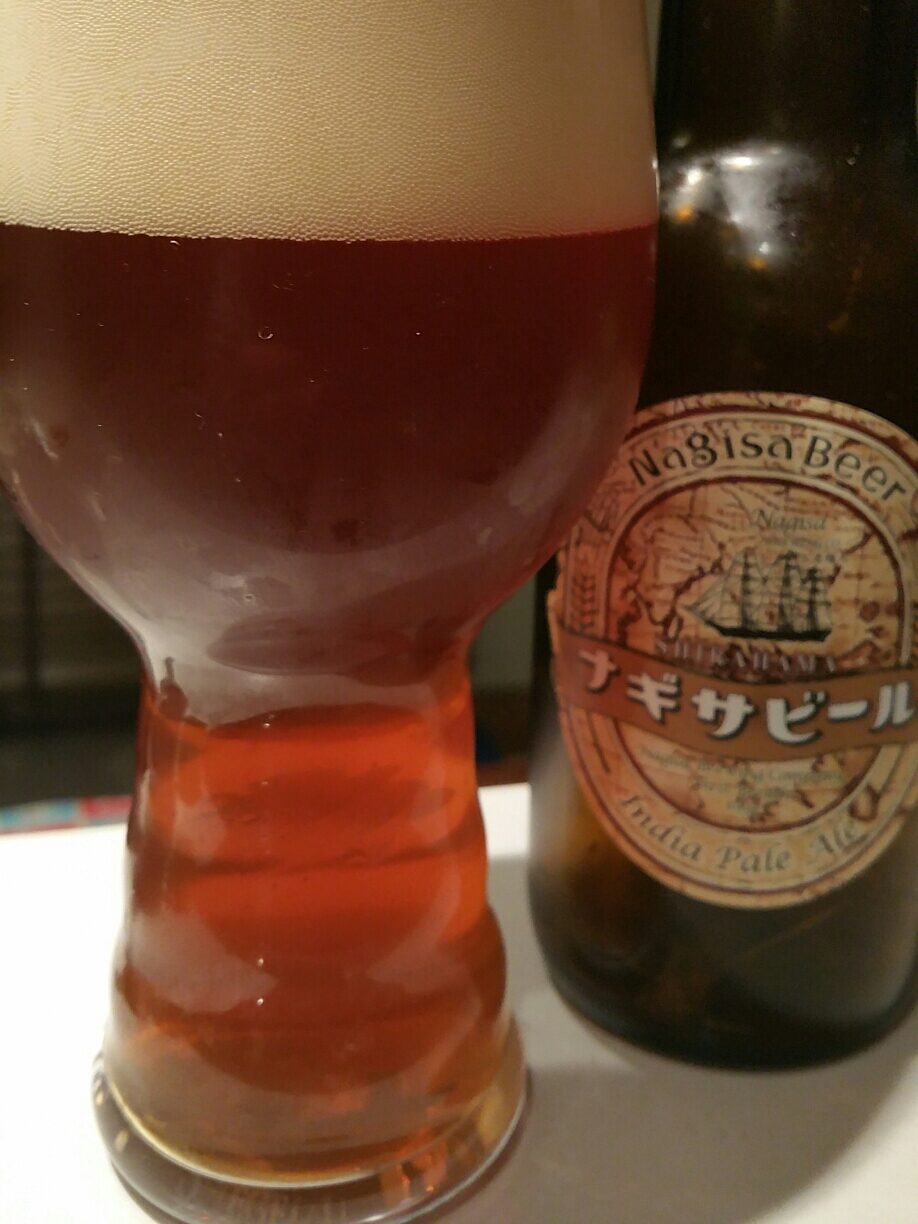
The Bottom Line : It’s part of their autumn seasonal lineup of beers and Nagisa India Pale Ale can be found in both bottles and on tap when on sale.
When chilled, the bitterness hits, along with caramel notes, though the rest of the flavours are lacking. When it warms up, the citrus lemony and grapefruit tones dance around with the caramel flavours but I couldn’t shake my head – is this supposed to be an American IPA or an English one?
Review : Nagisa India Pale Ale
Numazu Baikamo IPA
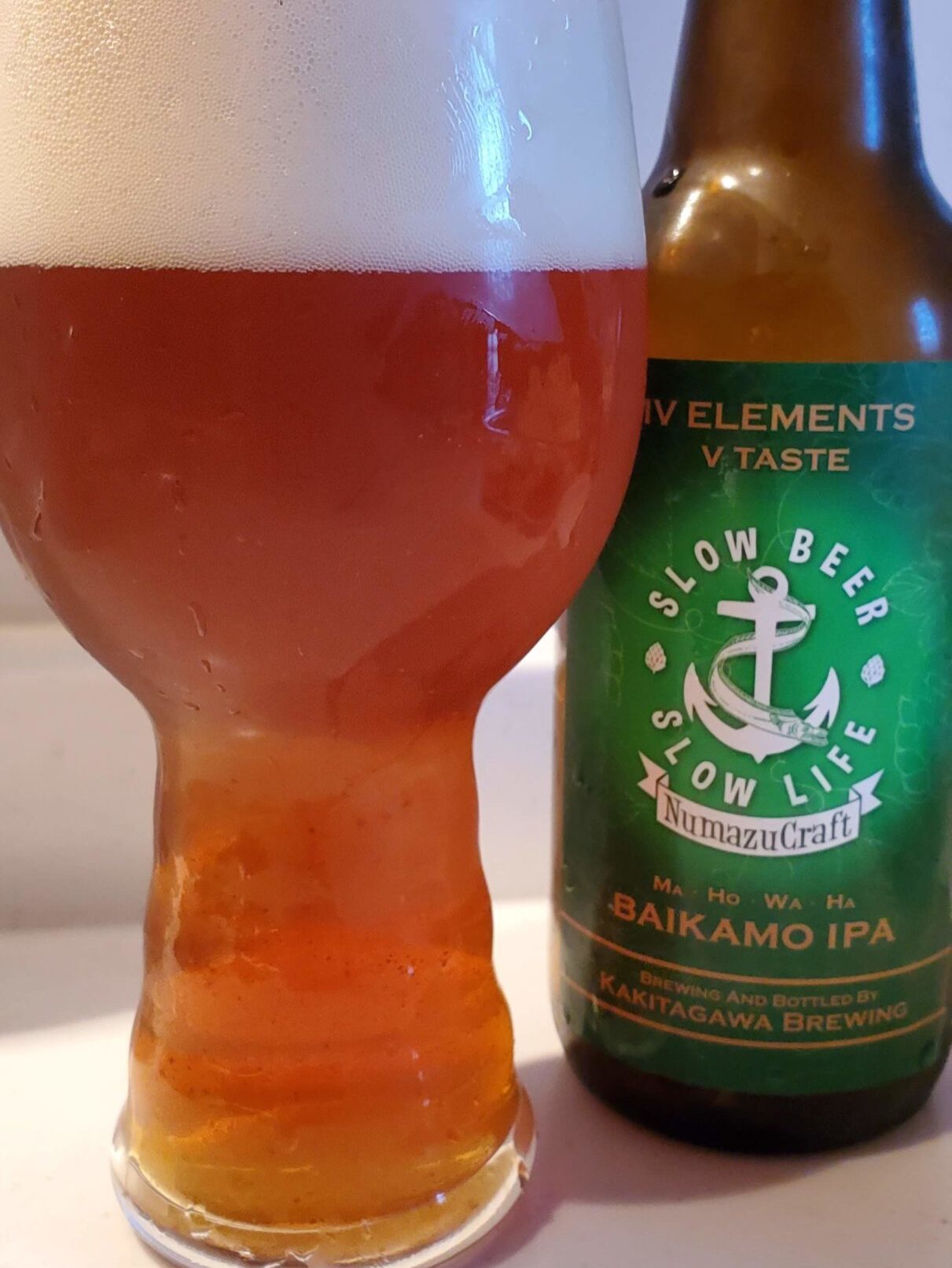
The Bottom Line : Numazu Baikamo IPA is brewed using imported Simcoe and Amarillo hops.
The initial sip of Numazu Baikamo IPA was more citrusy than malty; however, the balance between the malts and hops was good. The bitterness was rather restrained for those expecting something American IPA-like; however, the introduction of American hops did mean that the East Kent Golding and Fuggles were left behind.
Review : Numazu Baikamo IPA
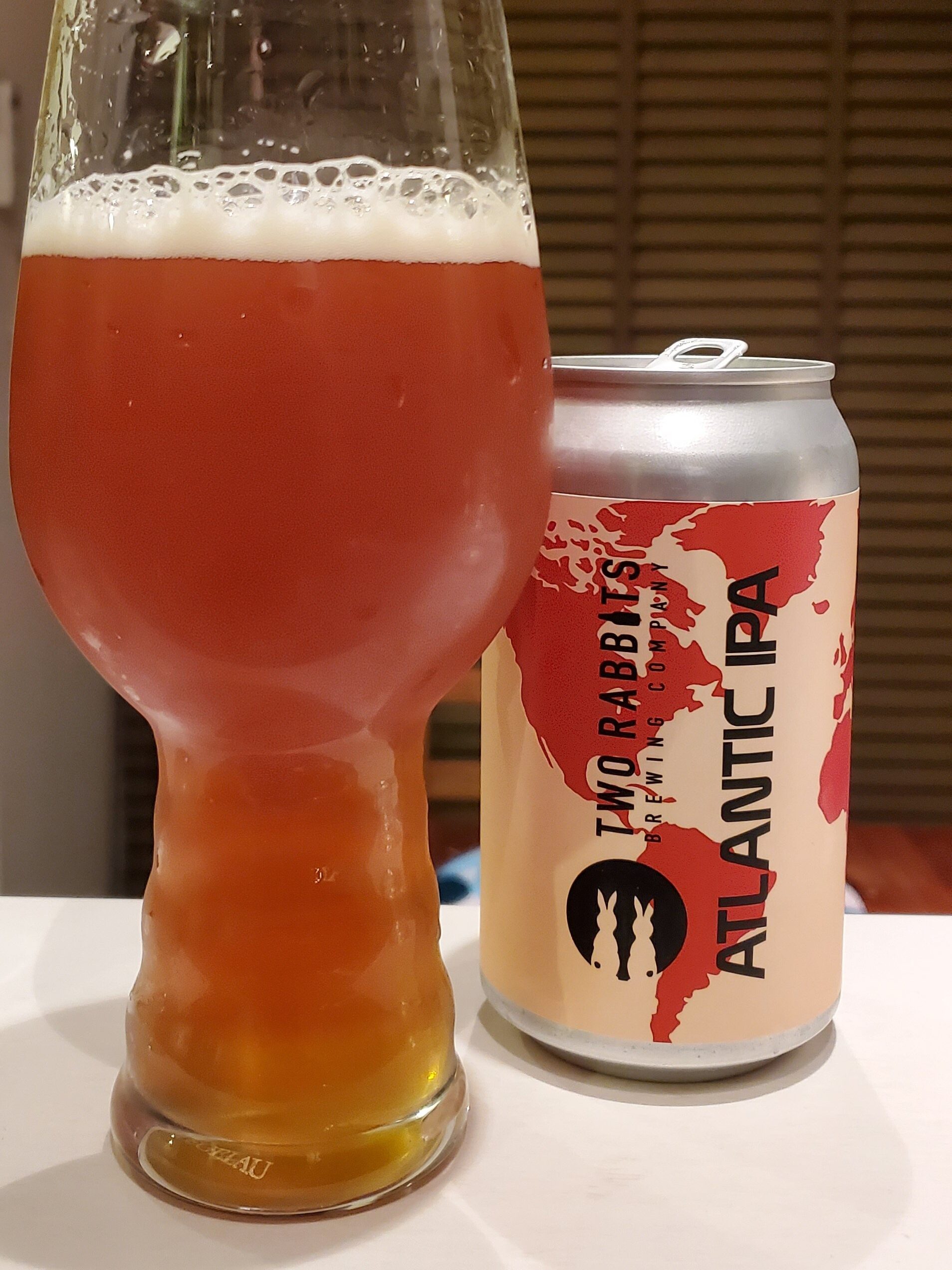
Two Rabbits Atlantic IPA
The Bottom Line : Two Rabbits Atlantic IPA takes its influence from the Atlantic region of the world with an English IPA base and American hops. The hops used in this beer include Challenger, Golding, and Centennial.
The body to Two Rabbits Atlantic IPA very much tasted like a glass of English IPA had been mixed with an American IPA – think a large sweet caramel component with a citrus and earthy hoppy flavour to it. There was some general taste of bitterness to Two Rabbits Atlantic IPA as well.
Review : Two Rabbits Atlantic IPA
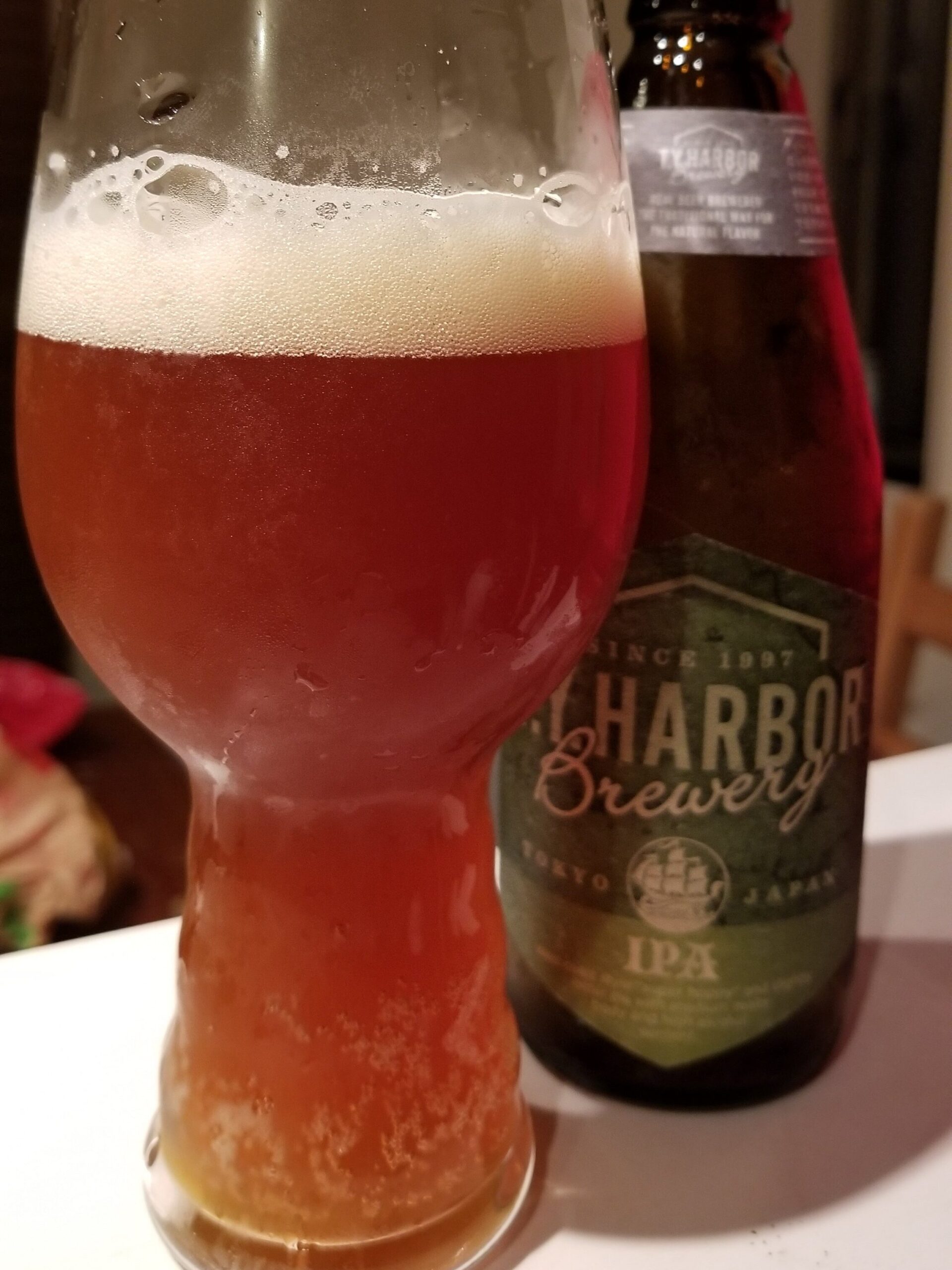
TY Harbor IPA
The Bottom Line : It’s brewed using 7 different kinds of hops, though which ones are unknown at the time of writing.
The butteriness reminded me it was definitely an English IPA – well it was that and the strong malt base to be honest! It finished off with a lingering bitterness on the palate, along with some piney hop flavour too. TY Harbor IPA is a well-made English IPA and worth finding if you’re interested in finding some more to drink.
Review : TY Harbor IPA
Imported English IPAs We Recommend
Let’s be honest – if you’re going to try a style of beer, then it’s also worth trying out some of the overseas beers. Check out the label on the bottle to see when the beer was bottled, and also ask how the beer was imported. Was it in a cold chain from start to finish? Was the beer stored in a chilled environment in store? If the shop assistant can’t, or doesn’t know the answer, then give it a miss.
Sources Used
- The Complete Truth About the Origins of India Pale Ale (IPA)
- Cornell IPA (PDF)
- IPA: The Beer for the British Imperial Arsenal?
- IPA: the executive summary
