Welcome to the 26th edition of “Source of Styles” – the Sweet Stout. Sweet stout is a style of stout beer distinguished by the addition of lactose (“milk sugar”) which is not fermentable by typical brewer’s yeast. Because the yeast cannot convert lactose to alcohol, it leaves residual sweetness, body, and a creamy mouthfeel in the finished beer. The style also goes by names like sweet stout or cream stout.
Table of Contents
Sweet Stout : A Brief History
To understand sweet stout, it’s worth briefly reviewing the development of stout itself. “Stout” originally meant a strong beer, particularly a strong porter (porter being a popular dark, malt-and-roasted-grain beer in the UK in the 18th & 19th centuries). Over time, stout came to denote darker, roast-flavoured beers (with unmalted or heavily roasted barley or malt) and diversified into many substyles (dry stout, oatmeal stout, imperial stout, etc.)
As beer styles evolved, some brewers experimented with sweetness and body in stouts, to make them more palatable, nourishing (or at least marketable as such), or easier to drink at lower alcohol strength. “Sweet stout” milks this side of stout history.
The formal invention of sweet stout (as a named style) is credited to Mackeson Brewery in Hythe, Kent, England, in the early 20th century. The date most often given is 1907 (or 1909, depending on source) for the first commercial sweet stout brewed by Mackeson owned by Whitbread (now part of the Anheuser-Busch InBev family of brands),
The key innovation was using lactose, a sugar derived from milk, instead of relying on whey or milk in liquid form. Because lactose is unfermentable by brewer’s yeast, it adds sweetness and body without increasing alcohol. William Melhuish (a food chemist) is also associated with early patents related to milk beer: he filed a patent based on whey, lactose and hops in the late 19th / early 20th century.
Around the time of its launch, Mackeson heavily marketed sweet stout as a “nourishing” beer. For example, its advertising claimed that “each pint contains the energizing carbohydrates of 10 ounces of pure dairy milk.” There was also medical and public health-style marketing: it was promoted for invalids, nursing mothers, to help with “fullness, indigestion,” etc.
Because of its marketing claims (nutritional benefits, usefulness for nursing mothers, etc.), sweet stout drew regulatory attention. After World War II, some restrictions were placed on using the word “milk” in the product name or in advertisements, as the government scrutinized such health claims. In 1946, British law required that “milk” be removed from label names for those products where it might mislead. Breweries had to adopt alternative naming or suggestive terms like “sweet stout,” “cream stout,” or other dairy-associated imagery rather than explicit mention of milk.
Over the decades, tastes changed. Beer consumers in the UK (and elsewhere) drifted toward drier, less sweet stouts or towards other styles altogether. Sweet stouts, including milk stout, fell somewhat out of fashion in the mid-to-late 20th century. Mackeson’s stayed alive, though, and remains one of the best known surviving examples.
In recent decades, particularly with the rise of craft brewing globally, there has been renewed interest in sweet stout. Breweries have embraced the style’s richness and creaminess, sometimes experimenting with lactose levels, roast profiles, adjuncts, and naming. In the U.S., Canada, and elsewhere, sweet stout (or similar styles with lactose) are more common again. In many cases, they are not carrying “milk” in the name (depending on local regulation), but functionally are in the same category.
Sweet Stout : How They Are Made
A sweet stout (also called milk stout or cream stout) is a dark, rich ale brewed with lactose, the milk sugar that regular brewer’s yeast (Saccharomyces cerevisiae) cannot ferment. Because lactose stays in the finished beer, it contributes sweetness, smoothness, and a creamy mouthfeel, balancing the roasted bitterness of the dark malts.
In terms of malts; Pale malt (Maris Otter, Golden Promise, or 2-row barley) are used. They form the bulk of the grist as it provides fermentable sugars and a malty backbone. Milk stouts rely heavily on dark and caramel malts to provide flavor, color, and body: Crystal / Caramel malt (adds sweetness and toffee flavor); Chocolate malt (adds chocolate and mild roast notes); Roasted barley or black malt (adds coffee and roast bitterness); Munich or Vienna malt (for extra malt depth); and Flaked barley or oats (optional, for creaminess and head retention)
Though milk stouts do use hops, they are a secondary ingredient. As such, English varieties like East Kent Goldings, Fuggles, or Target are common while the bitterness levels are low, typically 20–30 IBU. Hops are added mainly to balance sweetness, not dominate the aroma.
Finally, in terms of yeast, Traditional English ale yeast strains are preferred, since they ferment cleanly, leave some residual sweetness, and complement malt flavors.
Sweet Stout : Appearance, Aroma, and Flavour
Here’s the guidelines from the BJCP for what makes milk stouts, also known as sweet stouts, beers that are worth looking for.
Appearance: Very dark brown to black in color. Clear, if not opaque. Creamy tan to brown head.
Aroma: Mild roasted grain aroma, sometimes with coffee or chocolate notes. An impression of cream-like sweetness often exists. Fruitiness can be low to moderately high. Low diacetyl optional. Low floral or earthy hop aroma optional.
Flavor: Dark, roasted, coffee or chocolate flavors dominate the palate. Low to moderate fruity esters. Moderate bitterness. Medium to high sweetness provides a counterpoint to the roasted character and bitterness, lasting into the finish. The balance between dark grains or malts and sweetness can vary, from quite sweet to moderately dry and somewhat roasty. Low diacetyl optional. Low floral or earthy hop flavor optional.
Japanese Sweet Stouts We Recommend
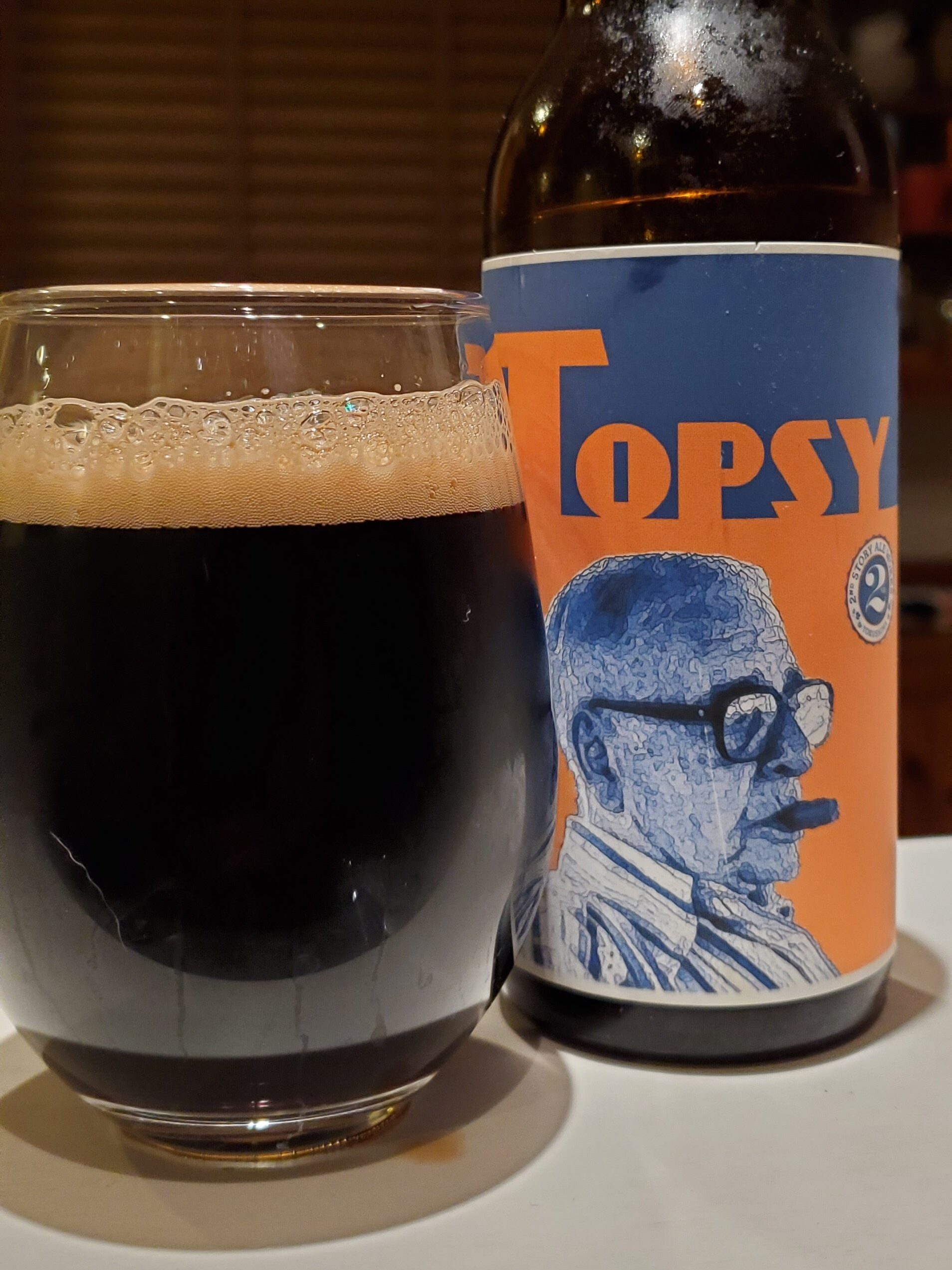
2nd Story Topsy
The Bottom Line : 2nd Story Topsy is named after the grandfather of Pat, the head brewer at 2nd Story Ale Works, and uses East Kent Golding hops and locally sourced coffee beans.
After letting 2nd Story Topsy warm up, the body was thicker than expected – not a gloopy level of thickness, but definitely enough to support the flavours going on. The coffee and black malts lingered on into the aftertaste.
Review : 2nd Story Topsy
Be Easy Ray’s Milk Stout
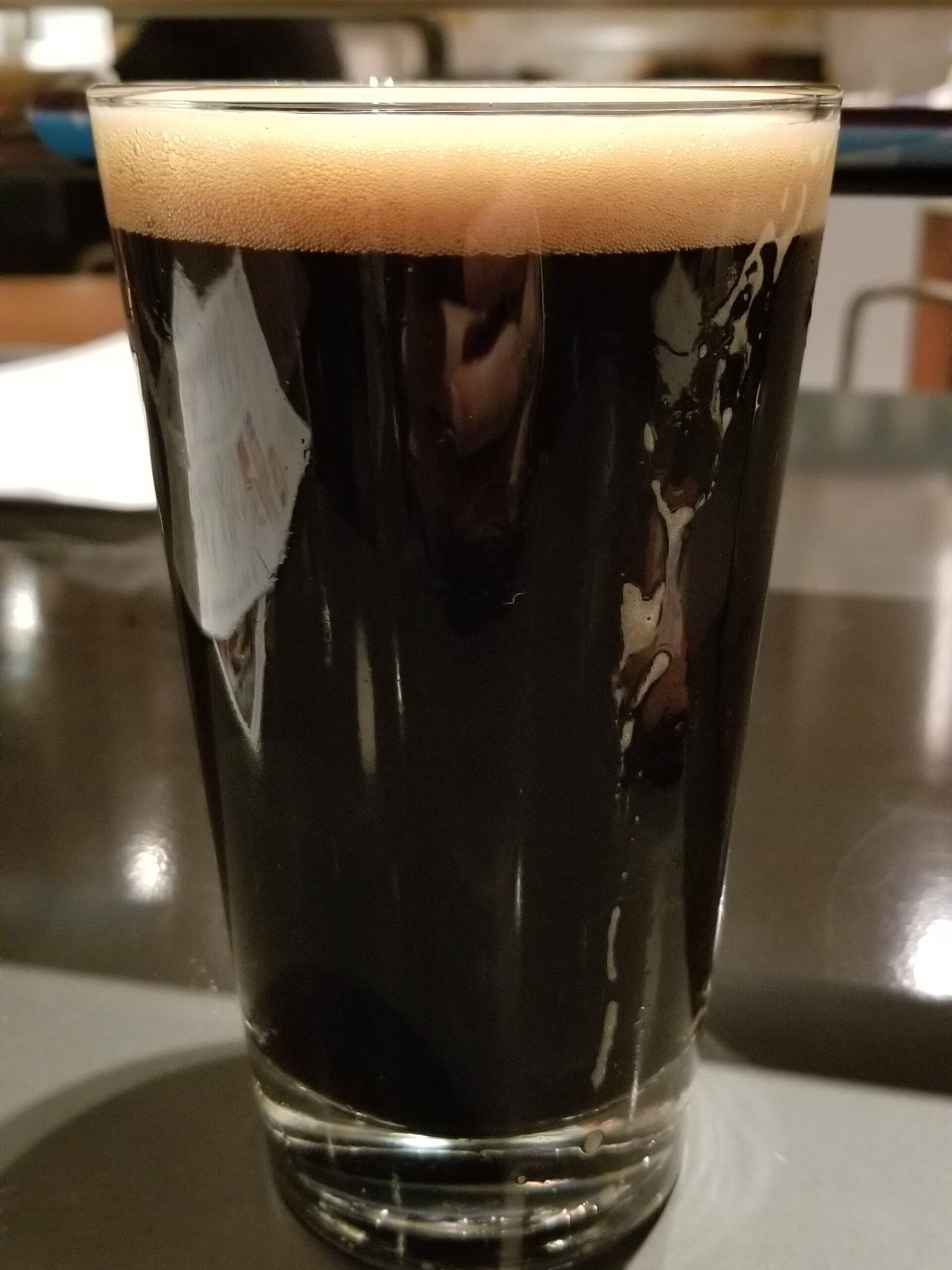
The Bottom Line : Be Easy Ray’s Milk Stout is brewed using lactose sugar and has an IBU of 25. It’s also their only all-year round beer.
Once Be Easy Ray’s Milk Stout had warmed up, the oak-smoked woodiness was also present – almost as if someone had tried to barrel age it using oak chips somewhere? The lingering coffee and chocolate flavours were present right through to the aftertaste that just did not want to shake them.
Review : Be Easy Ray’s Milk Stout
Hino Kudari Stout
The Bottom Line : Hino Kudari Stout is brewed using a locally sourced speciality blend coffee though what beans and roast is unknown.
While Hino Kudari Stout is not a foreign or an extra stout, it did lack a bold body, but that does mean to say the flavours didn’t get through. The coffee and chocolate was present from the start, and lingered through into the aftertaste.
Review : Hino Kudari Stout

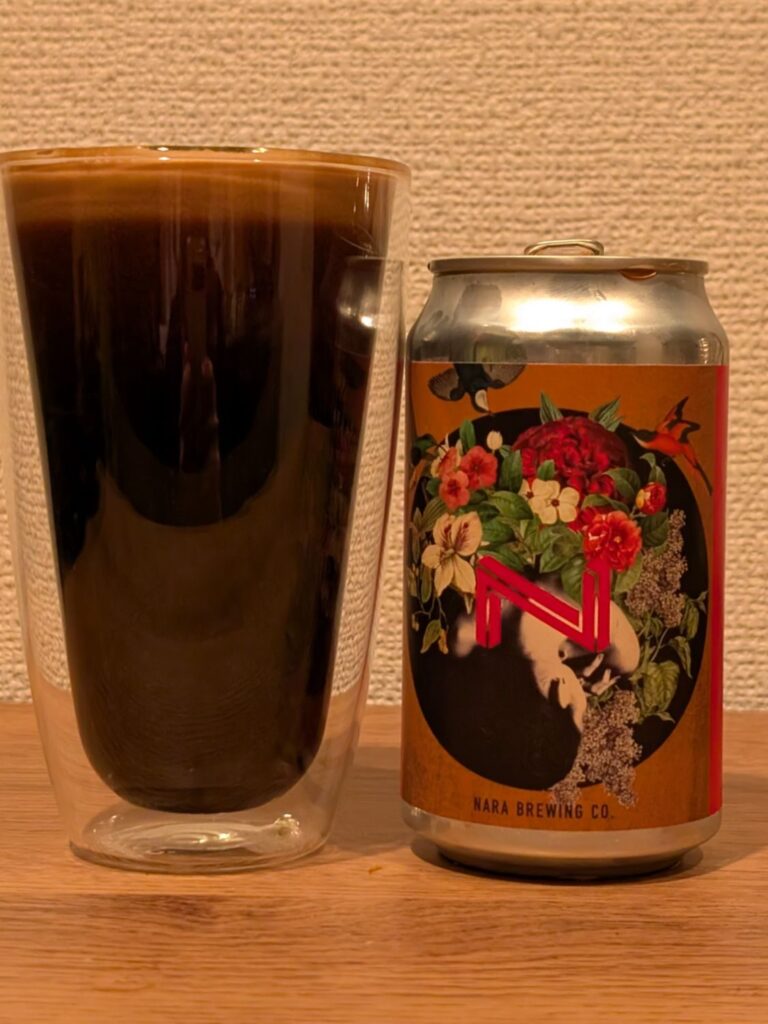
Nara Sweet Pain
The Bottom Line : Nara Brewing Company used Maris Otter, Munich Malt Type1, Melanoidin Malt, Caraaroma, Carafa Type 2, Chocolate Wheat Malt in the grain bill.
The body flittered between chocolate, coffee, and that roasted nut flavour, against a creamy body. It was an easy drinking beer, with non of the alcohol present during drinking. In fact, it was so smooth, I didn’t believe it was 6%. The beer’s flavours lingered on into the aftertaste though I would have liked a more robust body.
Review : Nara Sweet Pain
Open Air Night Walk
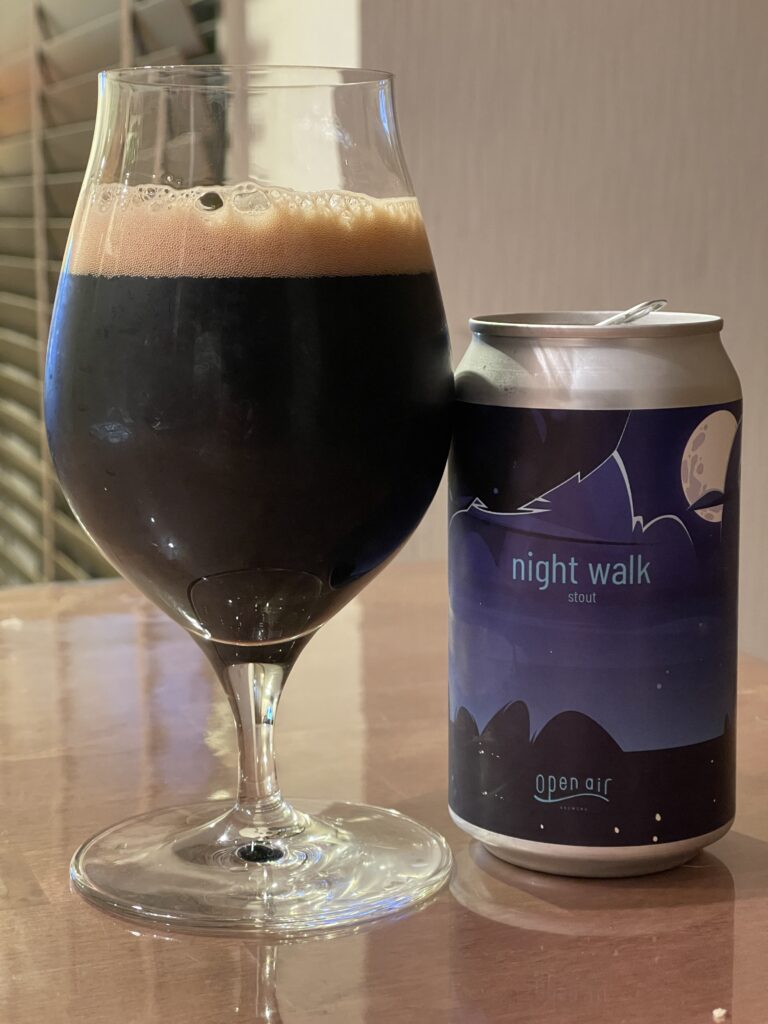
The Bottom Line : Open Air Night Walk is brewed with 2-Row, Crystal Maple, Aroma Malt, Chocolate Malt, Crystal Dark, Roast Barley, and Carafa 3 with the hops being Callista and Sabro.
The bitterness was smooth to start off with, with a prototypical flavour of chocolate and coffee that remained throughout drinking. It was rather a full-bodied stout and had a lingering aftertaste of cream in the end.
Review : Open Air Night Walk
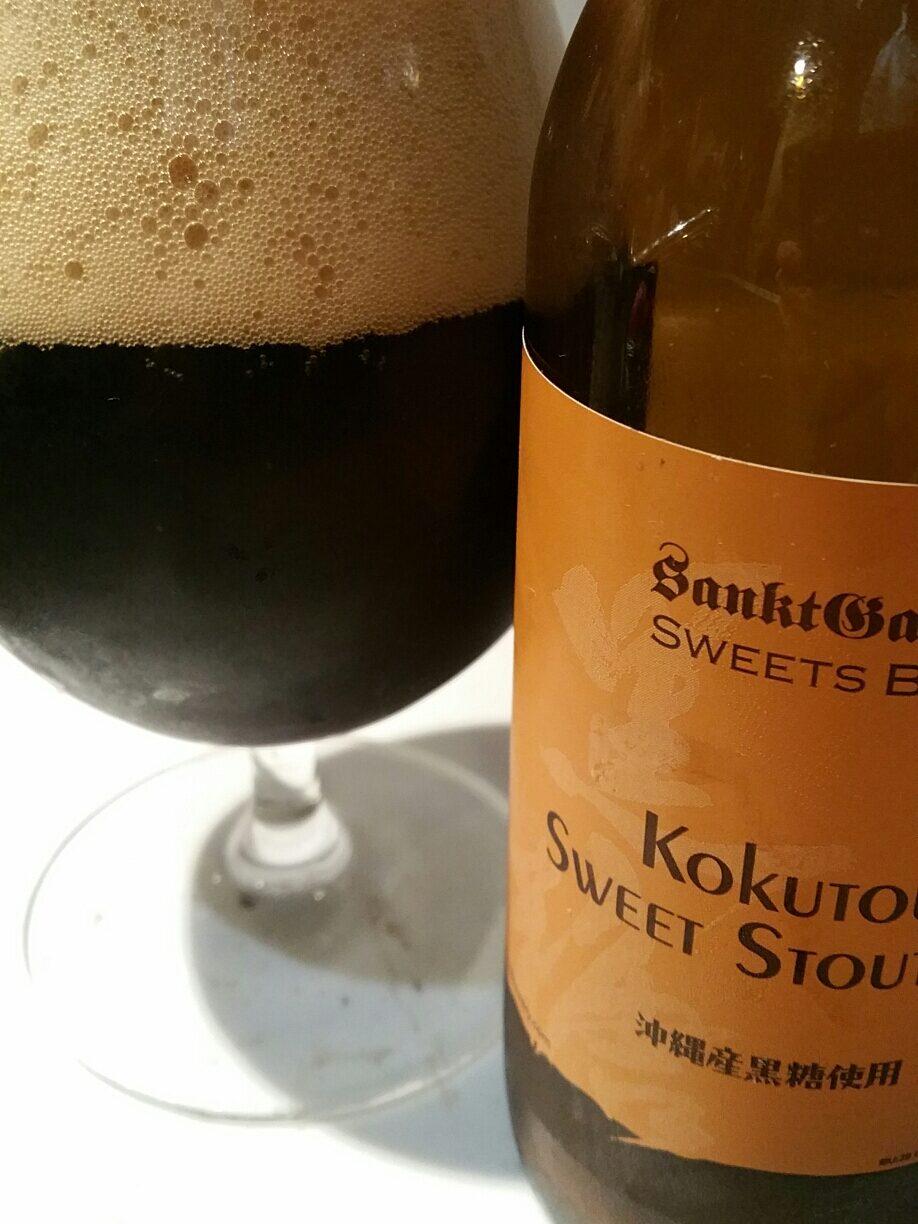
Sankt Gallen Kokutou Sweet Stout
The Bottom Line : Sankt Gallen brewed a sweet stout using brown sugar harvested from Okinawa.
Sankt Gallen Kokutou Sweet Stout didn’t taste like cheese though nor of any other lacto- based products. The brown sugar was nowhere near as potent as I thought it would be considering how much sugar goes into the mash. The molasses aroma was present in the body, along with a nutty coffee taste that left a bitter coffee twang on the tongue.
Review : Sankt Gallen Kokutou Sweet Stout
Imported Sweet Stouts We Recommend
Let’s be honest – if you’re going to try a style of beer, then it’s also worth trying out some of the overseas beers. Check out the label on the bottle to see when the beer was bottled, and also ask how the beer was imported. Was it in a cold chain from start to finish? Was the beer stored in a chilled environment in store? If the shop assistant can’t, or doesn’t know the answer, then give it a miss.
Sources Used
- All About Beer Magazine – Milk Stout
- Badger Brewery – Everything you need to know about Milk Stout
- Encyclopedia Britannica – Stout
- The History Press – A brief history of milk stout
- The Oxford Companion to Beer – The Milk Stout
- Zythophile – The land where working-class men drink milk stout.
