Session IPA : Introduction
Welcome to the 24th edition of “Source of Styles” – the session IPA. These are a lighter, lower-alcohol version of IPAs, usually around 3 to 5% ABV. They maintain the hoppy, citrusy, and floral flavours of traditional IPAs but are designed for easy, extended drinking. Crisp and refreshing, they balance bitterness with drinkability, making them ideal for casual or social settings.
Table of Contents
Session IPAs : A Brief History
Session IPAs are all about balance – hoppy, flavourful, and aromatic, but light enough that you can enjoy several pints without feeling like you’ve overdone it. They combine the boldness of a traditional IPA with the easy drinkability of a low-alcohol beer. But how did this style come to be? The story of Session IPAs is a mix of British pub culture, American craft beer innovation, and the simple idea that beer should be fun, flavourful, and sociable.
The term “session” comes from British pub culture. In the UK, a “session beer” has been around for centuries. The idea is straightforward: a session beer is low in alcohol so you can enjoy several pints in one sitting – or “session” – without getting too drunk. Traditional British session beers, like mild ales or bitters, usually clock in at around 3 to 4% ABV. They were made to be smooth, balanced, and easy to drink, with malt or hop character that was present but never overwhelming. People didn’t just drink beer to get drunk – they drank it to socialise, unwind, and enjoy the flavours. Session beers fit perfectly into this lifestyle.
Meanwhile, across the Atlantic, the American craft beer revolution was taking off in the 1980s and 1990s. Brewers in the U.S. were experimenting with hops in ways that had rarely been seen before. IPAs became the flagship of the craft beer movement, prized for their bold, sometimes overpowering flavours and higher alcohol content. Traditional IPAs were often 6% ABV or higher, packed with citrus, pine, floral, and tropical hop aromas, and designed to make a statement in a growing craft beer scene. They were delicious, full-bodied, and exciting – but not exactly what you’d reach for if you wanted a few beers over a long afternoon. Drinking a couple of high-ABV IPAs could leave you feeling full, fatigued, or tipsy.
That’s where the idea of the Session IPA came in. In the early 2000s, American craft brewers started thinking: what if we could capture all the flavour, aroma, and hop punch of an IPA but keep the alcohol low enough to drink several pints without consequences? Essentially, they wanted beers that could be “sessioned” while still appealing to IPA lovers. Session IPAs generally fall in the 3 to 5% ABV range. They still highlight hops, often showcasing the citrus, pine, tropical fruit, or floral aromas that make IPAs so distinctive. At the same time, their lower alcohol content makes them lighter, more refreshing, and easier to drink for longer periods.
Breweries like Lagunitas, Firestone Walker, and Founders were instrumental in popularising the style. Early Session IPAs often leaned heavily on American hops, which contributed bold flavours even at lower alcohol levels. These beers were perfect for casual drinking – whether at a backyard barbecue, a picnic, a long hike, or just hanging out with friends. They offered a more balanced alternative to the high-ABV IPAs that dominated the craft beer scene, proving that flavour didn’t have to come with a heavy kick.
As the style gained traction in the 2010s, more breweries began experimenting with it. Some tried different hop combinations, others experimented with malt profiles to add subtle sweetness or body without increasing alcohol. Some brewers played with dry-hopping techniques to maximise aroma, ensuring that even a lighter beer could deliver the intense, hoppy experience beer lovers craved. The style became recognised not just as a lighter IPA, but as a flexible and innovative category that allowed brewers to push creativity while keeping drinkability at the forefront.
Even today, Session IPAs continue to evolve. Brewers are constantly trying new hop varieties, experimenting with regional ingredients, or blending innovative malt bills to keep the style fresh. Despite this innovation, the core principles remain: lower alcohol, bold hop character, and drinkability. They occupy a sweet spot in the beer world, bridging the gap between the heavy, high-ABV IPAs and lighter, more traditional session beers. They’ve become a mainstay of modern craft beer culture, celebrated for their versatility and approachability.
Session IPA : How They Are Made
The foundation of any Session IPA starts with the same basic beer ingredients: water, malt, hops, and yeast. What sets Session IPAs apart is how brewers balance these ingredients to create flavour without high alcohol. Brewers often use lighter malts, like pale malt or pilsner malt, to keep the body crisp and the alcohol content low. Speciality malts may be added sparingly to provide subtle sweetness or colour.
Hops are the star of the show. Even though Session IPAs have lower alcohol, brewers still want bold hop aroma and flavour. American or New World hop varieties, such as Citra, Amarillo, Mosaic, or Simcoe are popular for their citrusy, piney, or tropical notes. Brewers carefully time the hop additions, sometimes dry-hopping near the end of fermentation, to maximise aroma without overpowering the beer.
Yeast selection is important, too. Most Session IPAs use clean, neutral ale yeast strains that ferment efficiently at lower temperatures. This ensures that the beer develops the right flavours without creating excessive fruity or alcoholic notes.
Session IPA : Appearance, Aroma, and Flavour
For the BJCP, they do not specifically have a section for Session IPAs. Instead, they fall into the Speciality IPA section – a catch-all for anything it seems. Entrant must specify a strength (session, standard, double); if no strength is specified, standard will be assumed. The BJCP state that their range for a session IPA is between 3 to 5%.
Appearance : colour depends on specific type of Speciality IPA. Most should be clear, but a slight haze is acceptable in most styles. Darker types can be opaque, making clarity irrelevant. Good, persistent head stand with colour dependent on the specific type of Speciality IPA.
Aroma : Detectable hop aroma is required; characterisation of hops is dependent on the specific type of Speciality IPA. Other aromatics may be present; hop aroma is typically the strongest element.
Flavour : Variable by type, with the quality of each component dependent on the specific Speciality IPA. Hop flavour typically medium-low to high. Hop bitterness typically medium-high to very high. Malt flavour generally low to medium. Commonly has a medium-dry to dry finish. Some clean alcohol flavour can be noted in stronger versions. Various types of Speciality IPAs can show additional malt and yeast characteristics, depending on the type.
Japanese Session IPAs We Recommend
Session IPAs in Japan highlight balance and subtlety, reflecting the nation’s brewing culture. Japanese craft breweries embrace citrus-forward hops, often pairing them with clean malt profiles for refreshing, drinkable beers. Popular in summer, they suit Japan’s social drinking scene, offering flavour-packed yet low-alcohol options that complement both food and casual gatherings.
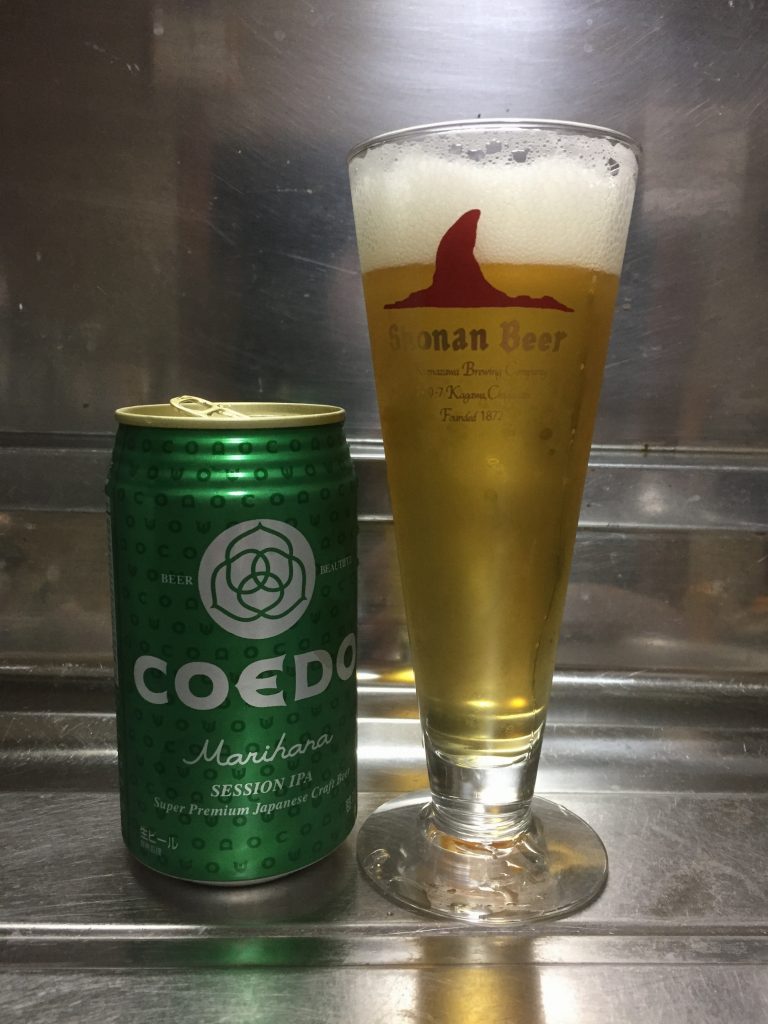
Coedo Marihana
The Bottom Line : It’s brewed using Cascade, Amarillo, Simcoe, and Mosaic hops.
The body is as crisp as the nose with the hops being first and foremost the flavour makers. Coedo Marihana is full on hoppy citrus flavours with some more just waiting for you in the next sip. The citrus and pine notes are balanced well with hints of grapefruit and peaches in there too. The malts are a distant faint flavour in there.
Review : Coedo Marihana
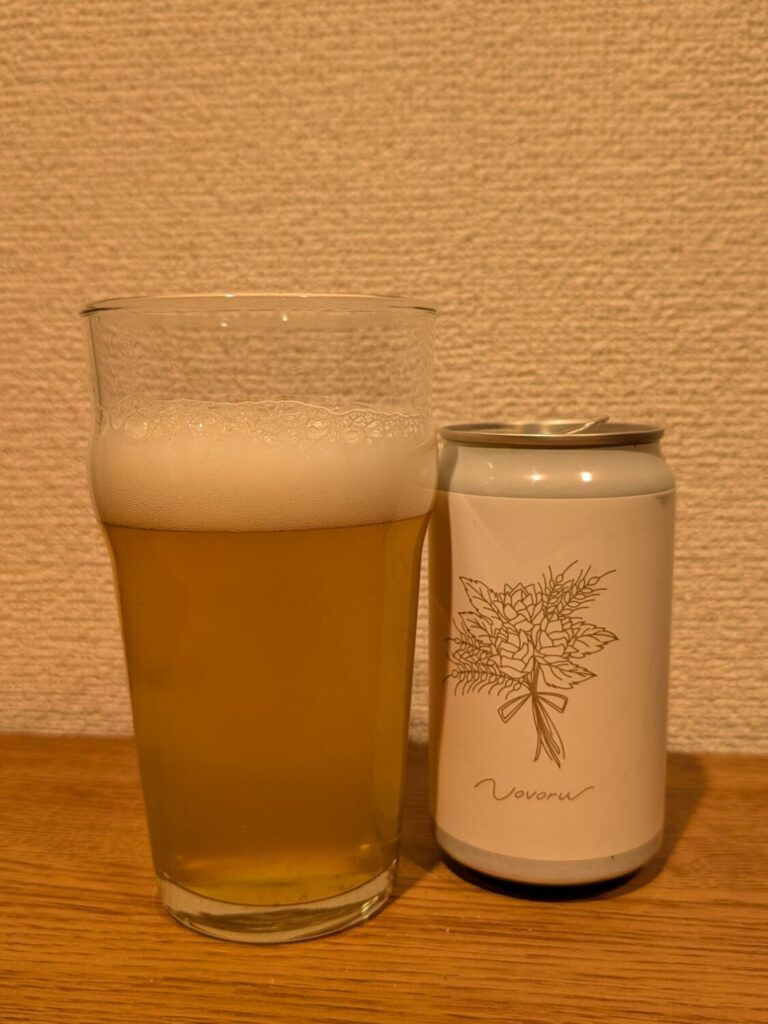
Novoru Session IPA
The Bottom Line : For this beer, Novoru Brewing used Citra and Motueka hops. However, the hops may change on different batches.
With this being a session IPA, I was expecting a light body, which I got. However, it was the smooth bitterness to the body that was a pleasant surprise. It lingered from start to finish, with the citrus and floral hop flavour that was similar to the nose.
Review : Novoru Session IPA
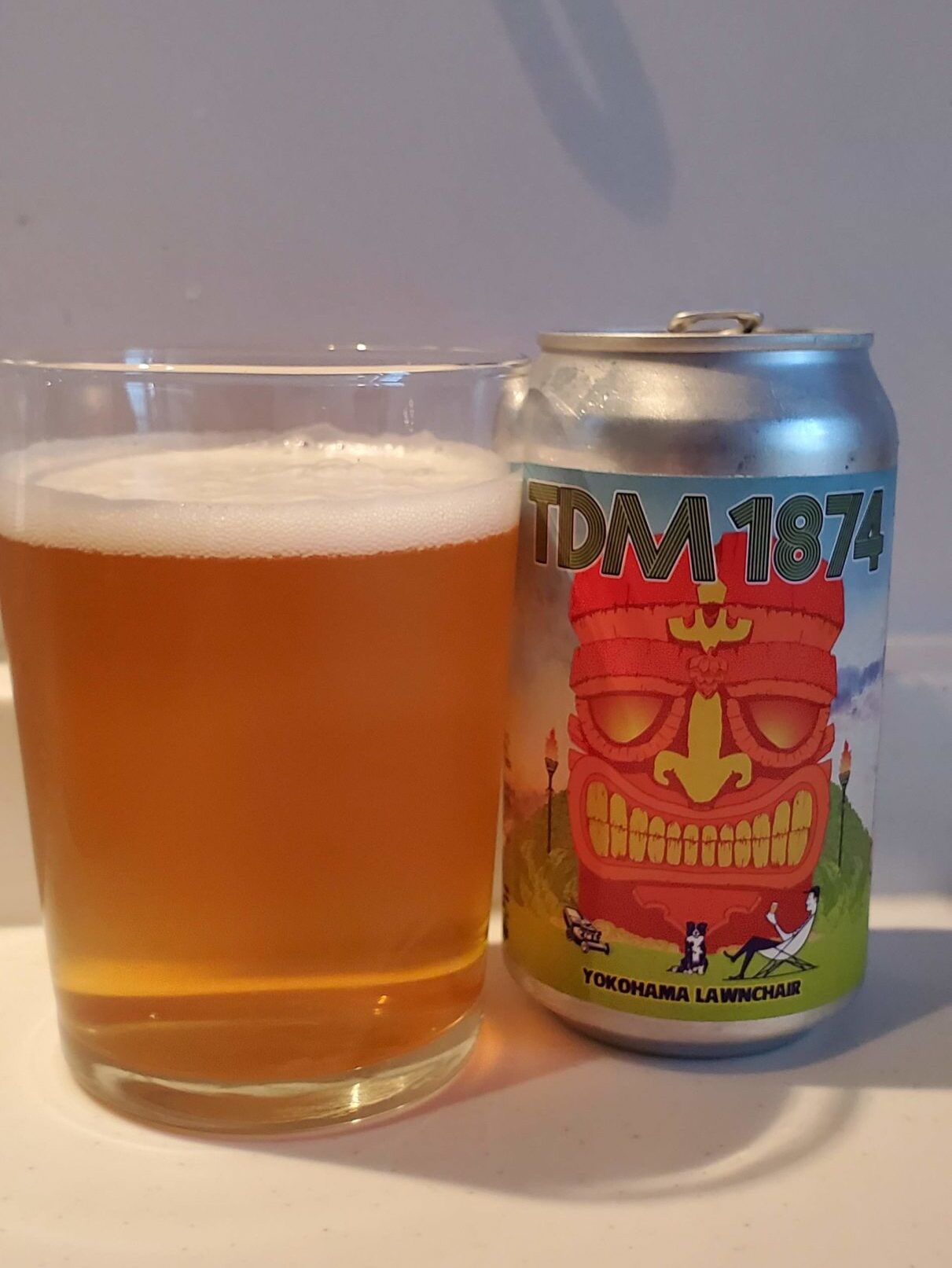
TDM 1874 Yokohama Lawnchair
The Bottom Line : This is brewed using Mosaic, Ekuanot and Citra Hops. For a “low alcohol” beer, the body to TDM 1874 Yokohama Lawnchair was thick and dry, with the citrus flavours of lemon and grapefruit bringing a sense of tartness to the body. Enough to prick up the taste buds but not enough to dominate the flavour profile.
TDM 1874 Yokohama Lawnchair is a cracking, full-bodied session IPA
Review : TDM 1874 Yokohama Lawnchair
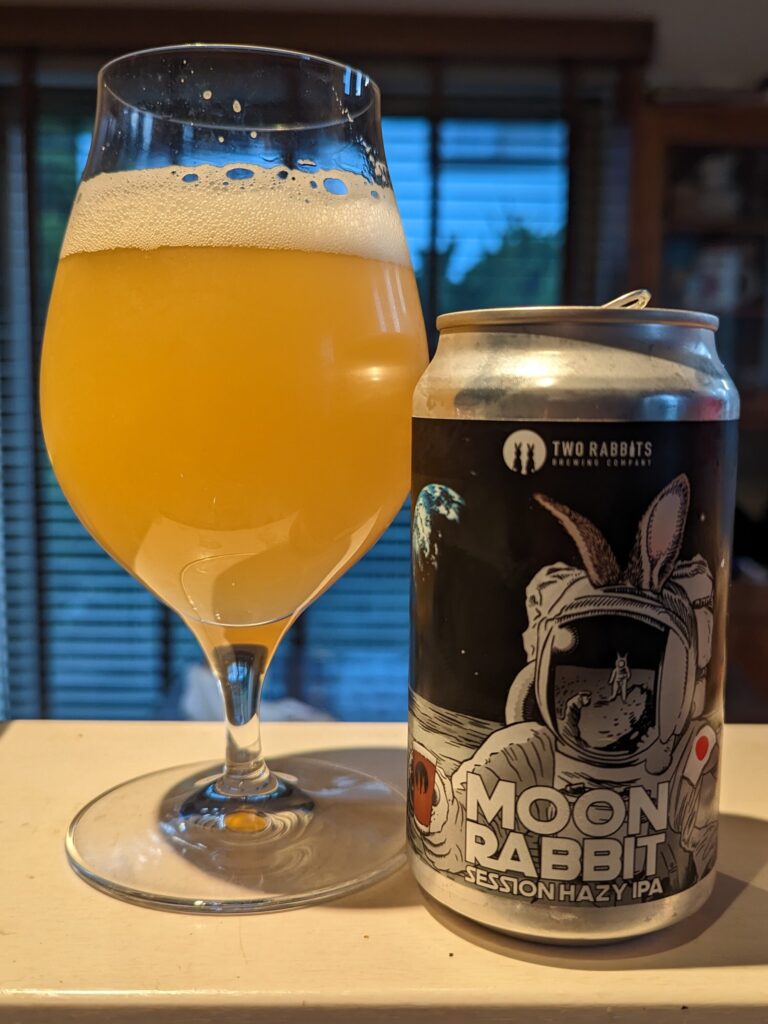
Two Rabbits Moon Rabbit
The Bottom Line : Two Rabbits Moon Rabbit is brewed with Mosaic, Citra, El Dorado, and Columbus hops.
The tropical notes of mango and pineapple are the first to come through, though the citrus notes are not far behind, with more of the grapefruit and lemon. I’ve had this a few times now and I am glad that it’s part of their regular line up. A solid, well-made beer.
Review : Two Rabbits Moon Rabbit
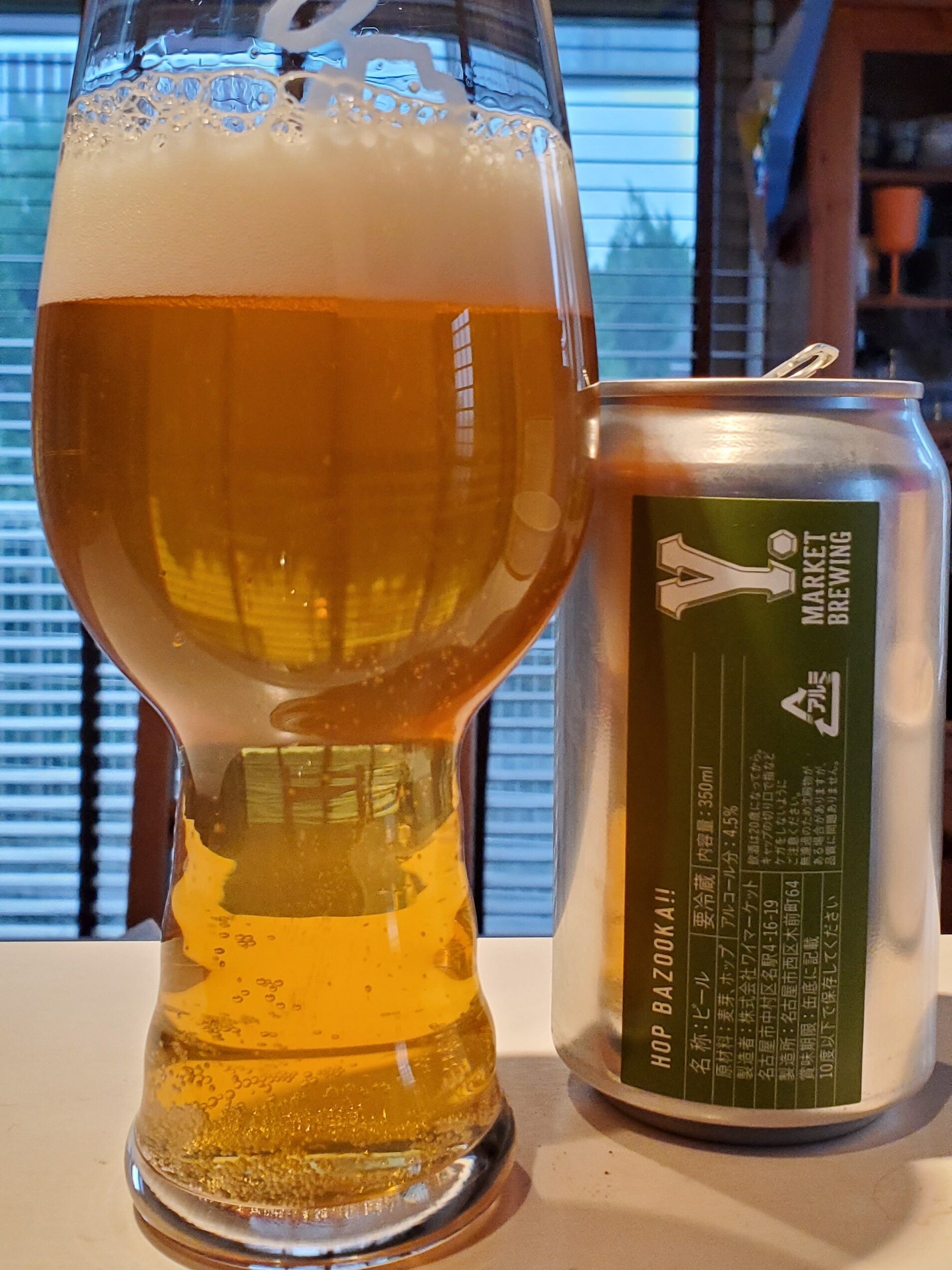
Y Market Hop Bazooka
The Bottom Line : Y Market Hop Bazooka is brewed using imported US hops with Simcoe, Mosaic, Citra, Amarillo, and Centennial.
There was so much fruitiness going on in Y Market Hop Bazooka that your doctor would probably say you’ve hit your 5 portions of fruit and veg for the day. The citrus and fruity tang lingered on into the aftertaste and left a cleanness to the palate.
Yokohama Session IPA
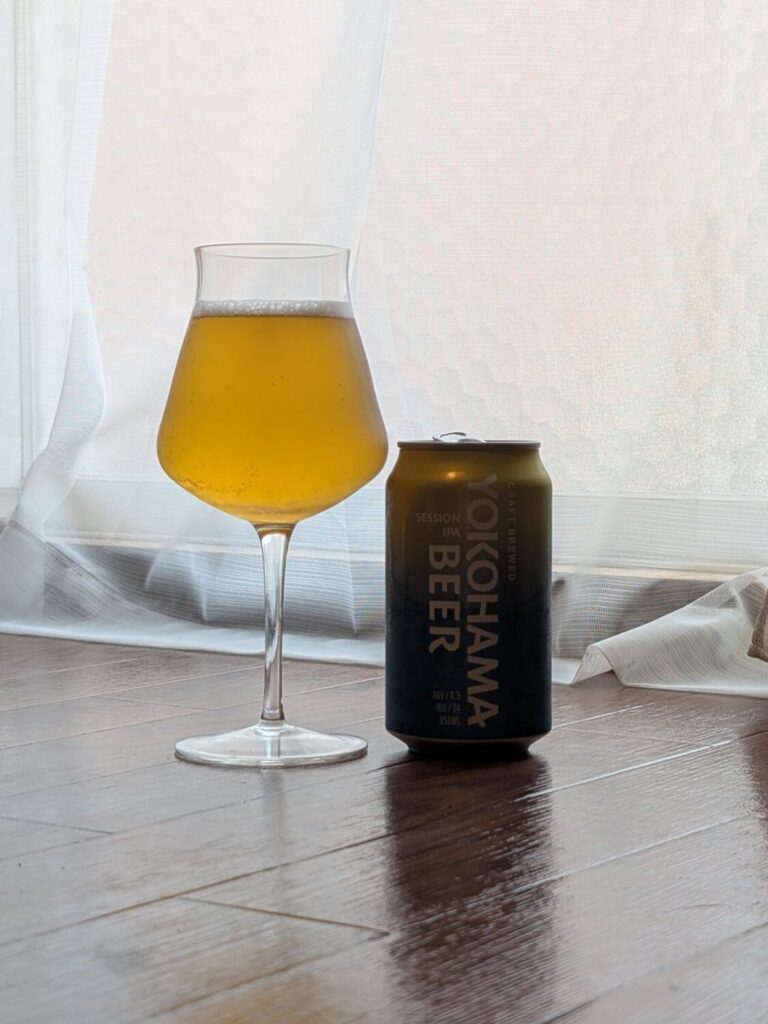
The Bottom Line : The beer is brewed using imported New Zealand Nelson Sauvin and Riwaka hops, with the beer having been first released in April 2025.
The passion fruit and pineapple flavours were the first to come through, with a touch of light white wine notes just lingering underneath it all. There was a touch of citrus present in the back end of Yokohama Session IPA, with a low malt sweetness just supporting it all throughout.
Review : Yokohama Session IPA
Imported Session IPA We Recommend
Let’s be honest – if you’re going to try a style of beer, then it’s also worth trying out some of the overseas beers. Check out the label on the bottle to see when the beer was bottled, and also ask how the beer was imported. Was it in a cold chain from start to finish? Was the beer stored in a chilled environment in store? If the shop assistant can’t, or doesn’t know the answer, then give it a miss. Some of the ones we’ve enjoyed are:
